Interlagos Historic Festival
| Event type | Historic motor racing festival |
|---|---|
| First held | 1976 |
| Location | Autódromo José Carlos Pace, São Paulo, Brazil |
| Frequency | Annual |
| Period | Typically May or June |
| Featured categories | Formula One, sports prototypes, touring cars |
| Organizing body | GP Racing Events |
Origin and history
The Interlagos Historic Festival is a major historic motorsport event held in Brazil, originating at the Autódromo José Carlos Pace in São Paulo. The festival emerged in the early 21st century, capitalizing on the global growth of historic racing and Brazil's deep automotive heritage. It was established to provide a South American focal point for the preservation and competitive demonstration of classic competition cars. The event directly leverages the historical significance of the Interlagos circuit, which has hosted Formula One's Brazilian Grand Prix since the early 1970s. Its creation aligns with a broader international movement that saw similar historic festivals become established at other classic racing venues worldwide. The festival's timing and location were strategically chosen to attract both local enthusiasts and international collectors seeking to participate in a premier Southern Hemisphere historic meeting.
What it is designed for
The Interlagos Historic Festival is designed primarily as a competitive historic racing meeting for a wide range of vintage and classic racing vehicles. It is structured to provide a legitimate circuit racing experience for owners, adhering to the technical and sporting regulations of recognized historic motorsport bodies. A core design function is to celebrate Brazilian motorsport history, often featuring special grids for locally significant categories like Formula Vee, Formula Ford, or endurance racing prototypes that competed nationally. The event is also engineered to be a spectator attraction, offering public access to paddocks and showcasing automotive history through static displays and parades. Furthermore, it serves as a major social and commercial gathering for the classic car community in Latin America, facilitating the exchange of knowledge and parts. Its schedule typically combines on-track sessions with concours d'elegance and gala events, creating a full weekend experience centered on automotive heritage.
Development and versions
Since its inception, the Interlagos Historic Festival has developed through the expansion of its race program to include an increasingly diverse array of vehicle categories. Early versions of the event may have focused on a narrower set of classic formulas, but later iterations regularly feature grids for pre-war cars, classic Grand Prix machines, sports cars from the 1950s-1970s, and more recent touring car legends. The festival's organizational model has evolved, often involving partnerships with international historic racing series and prominent local clubs to ensure entry quality and logistical expertise. A significant development has been the increasing emphasis on "featured marques" or anniversaries, dedicating portions of the event to celebrating specific brands like Ferrari, Porsche, or McLaren, or commemorating famous Brazilian racing victories. The supporting program has also grown to include a larger classic car market and specialized vendors catering to restoration needs. While the core concept remains a historic race meeting, its scale and international recognition have solidified its status as a fixture on the global historic calendar.
Pros and cons
A significant pro of the Interlagos Historic Festival is its authentic setting on a current Formula One circuit, offering participants the rare opportunity to drive a truly historic track with modern safety standards. However, a genuine con is the substantial logistical and financial challenge of transporting valuable historic race cars to Brazil, with complex customs procedures and high costs that can deter European and North American entrants. Participants sometimes regret the potential for inconsistent weather, as the Southern Hemisphere timing can lead to unpredictable tropical rainfall that disrupts track time and challenges delicate vintage machinery. A common mistake for first-time entrants is underestimating the intensity of the competition; despite its festive name, the racing is often highly serious and contested by experienced local drivers in well-prepared cars. Furthermore, the remote location for international teams means that sourcing specific spare parts or specialist support during the event can be difficult compared to events in Europe or the United States.
Who it suits
The Interlagos Historic Festival ideally suits the serious historic competitor based in South America who seeks top-tier regional competition without the expense of shipping a car overseas. It is also well-suited to the international collector or racing team with the logistical capacity and budget to transport cars globally, who desires a distinctive event with a unique cultural and racing experience. The event appeals strongly to owners of vehicles with specific Brazilian racing provenance, for whom competing at Interlagos adds significant historical resonance and value to their car's story. It suits spectators and enthusiasts who wish to immerse themselves in Latin American motorsport history, offering a broader view beyond the more commonly celebrated European narratives. The festival is appropriate for vendors and specialists focusing on classic and competition cars within the Latin American market, as it concentrates a high-value clientele in one location. Finally, it caters to those who prioritize the social and celebratory aspects of historic motorsport, valuing the overall ambiance and camaraderie as much as the on-track activity.
Latest Interlagos Historic Festival news
Latest reporting
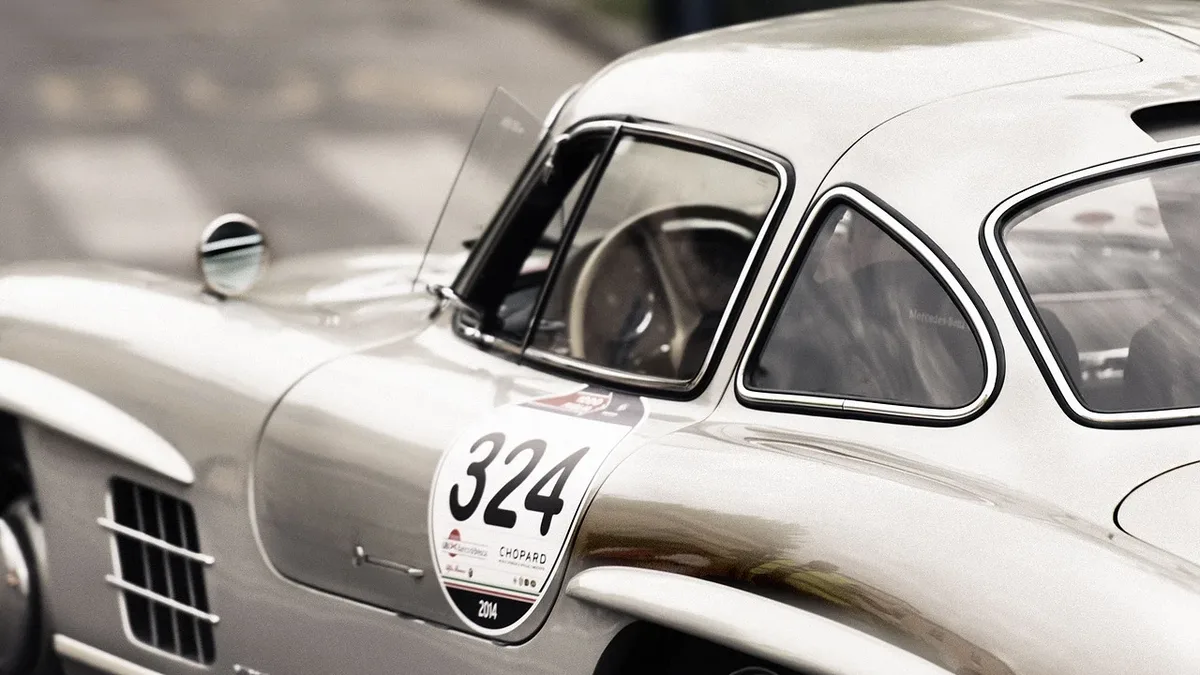
Bernina Gran Turismo historic hillclimb returns in September
The Bernina Gran Turismo historic hillclimb event is scheduled for September 11-13, 2026 on the Bernina Pass. The 5.4-kilometre course will feature...
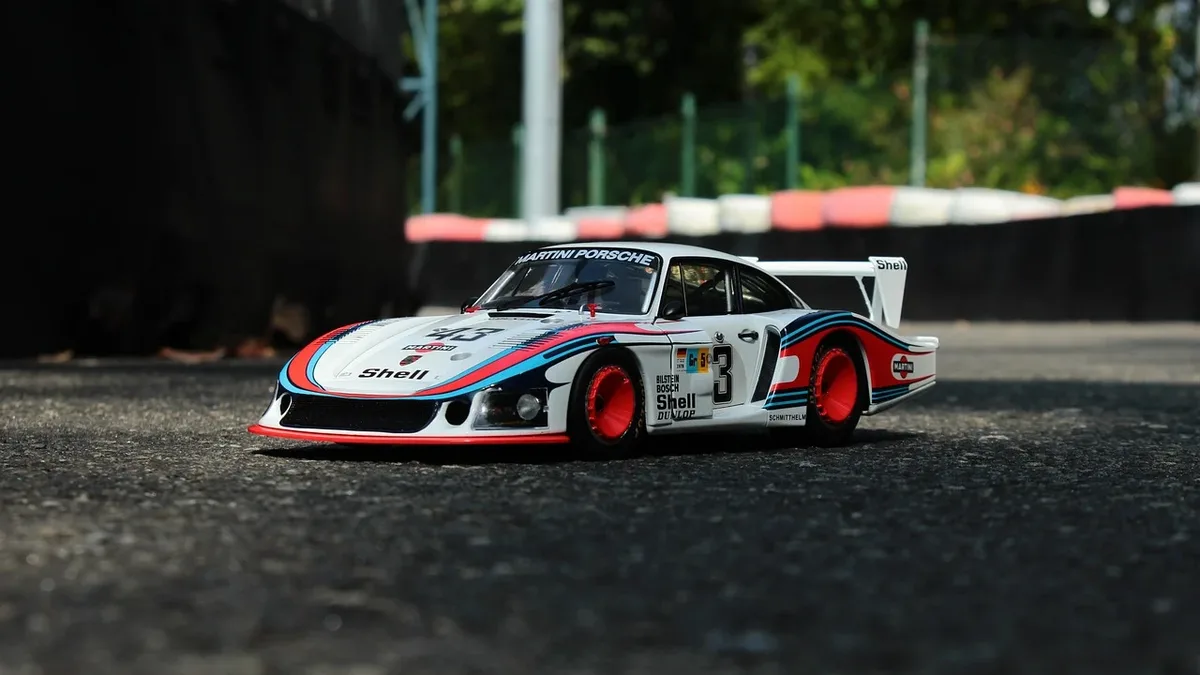
Porsche 959 Sport Sells for $7 Million
A 1989 Porsche 959 Sport sold for $7,045,000 at an RM Sotheby's auction, surpassing the price of a historic Paris-Dakar rally car.

Peugeot Showcases Two Competition Cars at Festival de Interlagos
Peugeot is celebrating its legacy in motorsport at the 5th edition of the Festival de Interlagos with the unveiling of two competition cars, the 208...

Porsche Fest to Bring Clients and Fans to Interlagos for Racing, Classics, and Shows in November
Porsche is announcing the Porsche Fest and the official opening of ticket sales for the new edition of the largest festival dedicated to the luxury...
Leapmotor B10 Ultra-Hybrid Confirmed for Brazil
Leapmotor expands its Brazilian lineup with the B10 Ultra-Hybrid, a range-extended electric vehicle (REEV) set to debut at the 2026 Interlagos...