Mecum Kissimmee
| Event name | Mecum Kissimmee |
|---|---|
| First held | 2007 |
| Location | Osceola Heritage Park, Kissimmee, Florida, United States |
| Event type | Collector car auction |
| Duration | Multiple days |
| Auction house | Mecum Auctions |
| Original use | Annual flagship auction event |
Origin and history
Mecum Kissimmee is a major collector car auction event held in Kissimmee, Florida, in the United States. The event is organized by Mecum Auctions, a company founded in the United States in the late 1980s. The Kissimmee auction itself was established in the first decade of the 2000s, growing to become one of the company's flagship annual sales. It is held at the Osceola Heritage Park, utilizing its extensive grounds and facilities to accommodate thousands of vehicles. The event typically occurs each January, spanning multiple days to present a vast inventory of collector cars, motorcycles, and road art. Its establishment cemented Florida's position as a major hub for winter collector car events alongside other longstanding auctions.
What it is designed for
The auction is designed as a high-volume marketplace for the sale of collector vehicles, primarily from the 20th century, to a global audience of buyers and consignors. It is engineered to facilitate the rapid turnover of thousands of lots through a continuous auction block over the course of a week or more. The design accommodates both live, in-person bidding and simultaneous remote bidding via telephone and online platforms. The event is structured to create a spectacle, with live television broadcast coverage amplifying the excitement and competitive atmosphere of the auction process. It serves as a centralized venue where private sellers, dealers, and estates can access a concentrated pool of serious buyers. The scale and format are specifically intended to handle the logistics of presenting and selling a massive and diverse inventory efficiently.
Development and versions
The auction has developed significantly since its inception, primarily through a consistent expansion in scale and duration rather than through distinct "versions." The most notable development has been the dramatic increase in the number of vehicles offered, growing from hundreds to consistently over 3,000 lots per event. The physical footprint of the event has expanded to utilize more buildings, outdoor tents, and display areas within the Osceola Heritage Park complex. Development has included the integration of enhanced digital infrastructure to support reliable online bidding and real-time price tracking for a global audience. The event has also developed a recurring schedule of themed days, such as dedicated dates for vintage motorcycles or specific collector genres, within the broader auction week. Its reputation has solidified it as a bellwether event for the annual collector car market, with its results closely analyzed by enthusiasts and investors.
Pros and cons
The event's established reputation and predictable annual schedule provide a reliable, high-profile venue for both buying and selling. A significant con is the high cost of participation, as seller commissions, buyer's premiums, and associated logistics fees can represent a substantial percentage of the final hammer price, eroding net proceeds or increasing acquisition cost. The sheer scale and fast-paced nature of the auction can be overwhelming for novice participants, leading to bidding mistakes or buyer's remorse for those caught in the competitive atmosphere. Another common drawback is the potential for vehicles to get lost in the enormous catalog, with less glamorous or improperly marketed lots sometimes selling below their market value due to lack of attention. Sellers of average-condition or moderately priced cars may regret choosing this venue if their car fails to meet its reserve amidst the competition from more exceptional vehicles.
Who it suits
This auction best suits experienced collectors and professional dealers who understand the market dynamics and fee structures and are seeking to buy or sell high-profile, investment-grade vehicles. It is ideal for sellers with exceptional, headline-grabbing cars that can attract competitive bidding in a crowded marketplace and justify the associated costs of consignment. The event suits buyers with significant financial resources who are prepared for rapid, competitive bidding and have done thorough pre-auction research and inspection. It is also a fitting venue for institutional sellers, such as museums or corporate collections, looking to liquidate multiple assets with maximum publicity and efficiency. Conversely, it is generally less suited for first-time auction participants or sellers of project cars, daily drivers, or vehicles valued under a certain threshold, as costs and competition may not align with their goals.
Latest Mecum Kissimmee news
Latest reporting
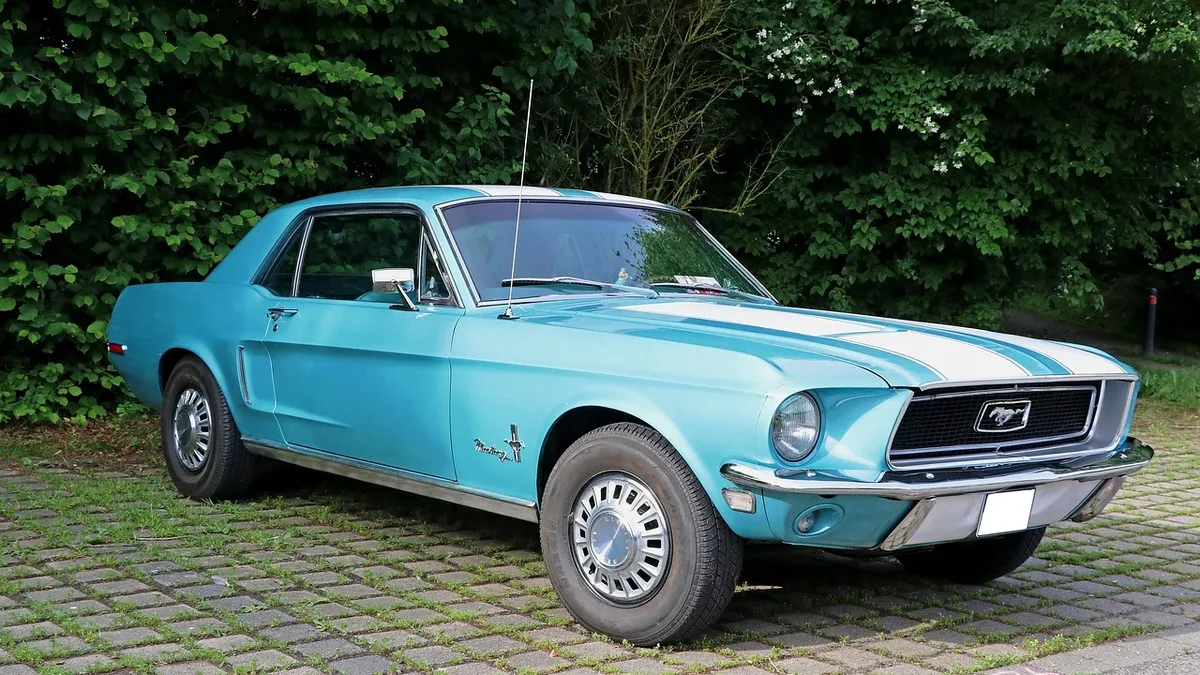
1969 Mustang Boss 429 Heads to Mecum Auction
A matching-numbers 1969 Ford Mustang Boss 429, one of 859 built that year, is set for auction. The car, restored in 2018, retains its original 375...
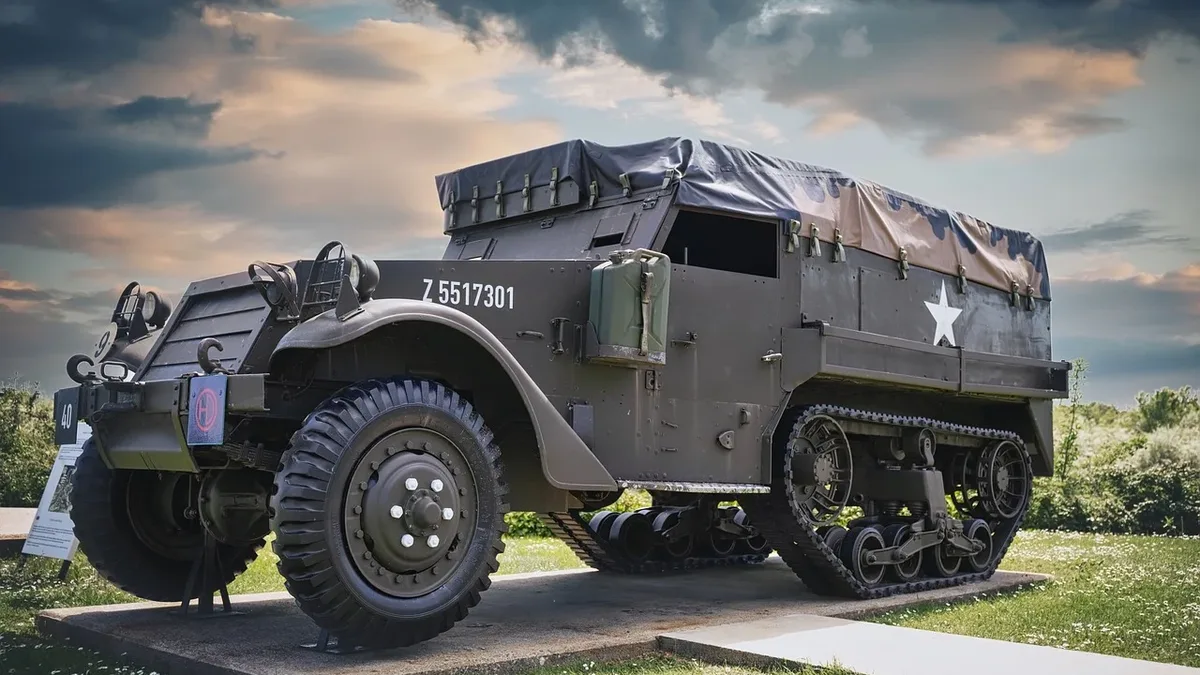
Rare 1990 RMA Amphi-Ranger Heads to Mecum Auction
A 1990 RMA Amphi-Ranger 2800 SR, one of only 70 built, is set for a Mecum auction in September. This amphibious 4x4, with just 16,000 km, is believed...
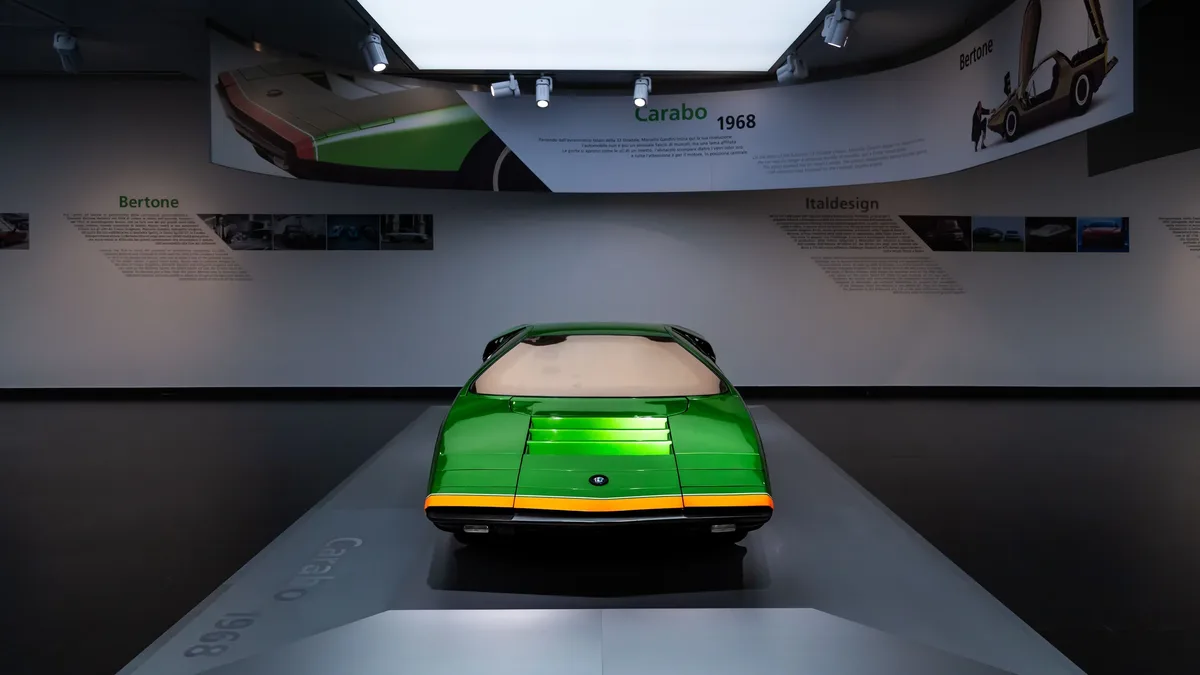
1980 Manta Mirage Supercar Heads to Auction
A 1980 Manta Mirage, a rare American mid-engined kit supercar, is set for auction with Mecum in late September.