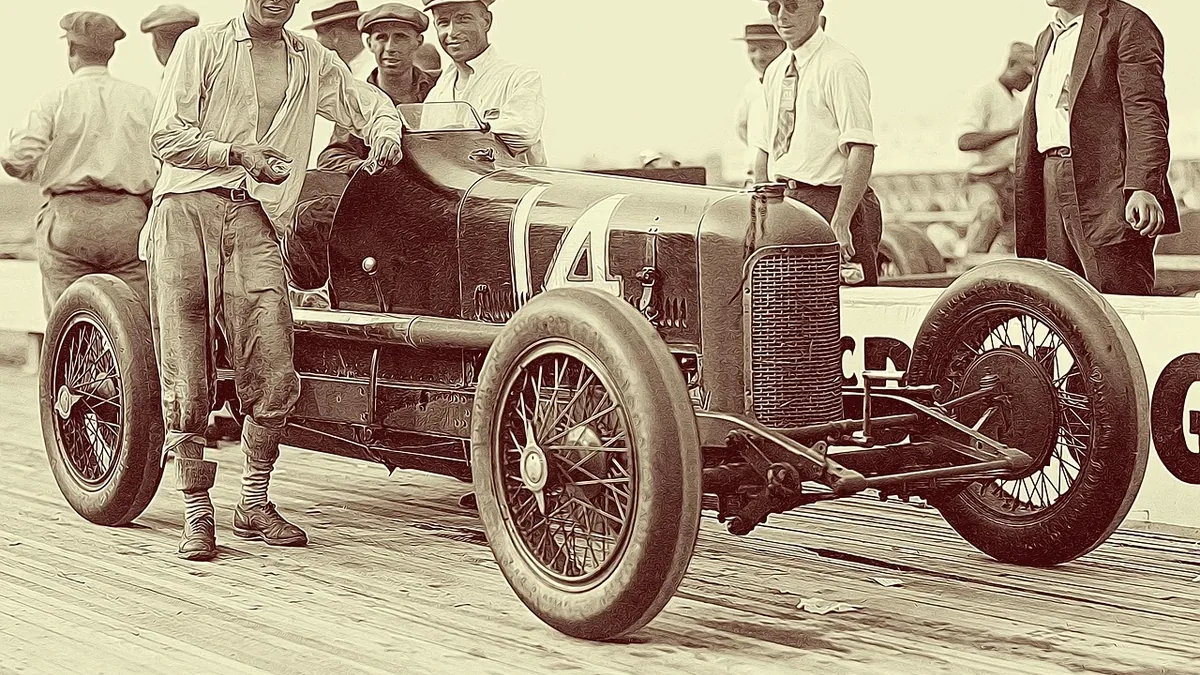
Autodromo De Interlagos Historic Meetings
| Original use | Historic racing event |
|---|---|
| First created | 1990s |
| Country of origin | Brazil |
| Event type | Historic motorsport meeting |
| Venue | Autódromo de Interlagos |
| Historic period | 20th century vehicles |
| Event frequency | Annual |
Origin and history
The Autódromo de Interlagos Historic Meetings is a recurring motorsport event held at the Autódromo José Carlos Pace in São Paulo, Brazil. The event emerged in the late 20th century, gaining formal structure and regularity in the 1990s, as part of a global wave of historic motorsport revival. It is organized to celebrate Brazil's rich automotive and racing heritage, centered around the iconic Interlagos circuit, which opened in the 1940s. The meetings are not a single race but a gathering encompassing various races, demonstrations, and static displays for historic competition vehicles. Its foundation is deeply tied to the efforts of Brazilian historic racing clubs and collectors who sought a dedicated local venue for their machines. The event's timing often aligns with significant dates in Brazilian motorsport, serving as a living museum of the country's racing past.
What it is designed for
The event is designed primarily for the competitive exercise and demonstration of historic racing vehicles, ranging from classic Formula One cars to vintage touring and sports prototypes. It provides a formal, circuit-based environment where owners can drive their historically significant cars at speed, as intended by their original design. A core function is the preservation of operational knowledge and mechanical culture surrounding these often complex and rare machines through active use. Furthermore, it is structured to create a social and commercial hub for collectors, specialists, and enthusiasts to exchange expertise, parts, and vehicles. The event also serves an important educational role for the public, showcasing the sights and sounds of motorsport history that are no longer present in modern championship racing. Its design inherently respects the period-correct nature of the machinery, with regulations typically enforcing historical authenticity over outright modern performance modifications.
Development and versions
The event has developed from a relatively informal gathering into a structured weekend featuring multiple distinct racing series and demonstration categories. Early versions were likely more inclusive, while later iterations have seen the introduction of stricter eligibility criteria based on vehicle age, provenance, and period competition history. The schedule has expanded to include not only track sessions but also concours d'elegance, technical seminars, and significant vendor areas for specialist traders. Different "versions" of the event are effectively defined by the specific historic racing series that are invited to compete, which can vary from year to year, such as those for classic Formula Vee, historic Formula One, or endurance racing cars. The organizational model has stabilized around partnerships between the circuit management, historic racing sanctioning bodies, and major collector groups. This development mirrors the professionalization of the global historic racing scene, where safety standards, event logistics, and historical accuracy have become paramount.
Overview
An Autódromo de Interlagos Historic Meetings event typically spans a weekend, featuring a packed timetable of on-track activity divided into practice, qualifying, and race sessions for each eligible category. The atmosphere blends the serious competition of wheel-to-wheel racing with a festival-like appreciation for automotive design and engineering history. A key operational aspect is the sound of the machinery, which presents a stark auditory contrast to contemporary race cars, featuring screaming naturally-aspirated engines and mechanical noise largely absent today. The event also acts as a de facto market, with transactions for cars, parts, and restoration services frequently occurring in the background. Its success is measured not by championship points but by the quality of the machinery present, the competitiveness of the racing, and the fidelity to the historical period being celebrated.
What to know
Prospective participants must know that eligibility is strictly governed by the regulations of the specific historic racing series organizing each category, focusing on authenticity and period correctness. All vehicles must possess a valid Historic Technical Passport or equivalent documentation from a recognized historic motorsport authority, verifying their provenance and specification. The financial commitment is substantial, encompassing entry fees, transportation, insurance, fuel, tire costs, and potential mechanical repairs, with no prize money to offset expenses. Logistics for international participants are complex, involving customs carnets for temporary vehicle import and navigating Brazil's specific requirements for competition equipment. On-track conduct is expected to be respectful of the machinery's value and historicity, with racing often being more about close, clean competition than aggressive maneuvering. Spectators should know that access to paddock and pit areas is usually permitted, providing a core part of the experience, but they must remain vigilant around active operational areas.
Common questions
A common question is whether a road-legal classic car can participate, and the answer is typically no unless it has documented period competition history and meets all safety and eligibility rules for its specific class. People often ask about the value of cars that attend, which can range from tens of thousands to many millions of dollars, with prices often discussed in the context of recent public auction results or private sales. Enthusiasts frequently inquire about the most famous cars to have appeared, which often include vehicles driven by Brazilian legends like Ayrton Senna, Nelson Piquet, or Emerson Fittipaldi in various national and international series. Many wonder about the difference between this event and a static car show, the key distinction being the mandatory requirement for all entered vehicles to participate in on-track sessions. Questions about safety standards are frequent, and organizers mandate modern safety equipment like roll cages, harnesses, and fire suppression systems, even within historically authentic shells. Spectators commonly ask about the best vantage points, with the circuit's natural amphitheater offering views from the main grandstand and various hillsides around the track.
Pros and cons
A major con is the extremely high cost of entry, not just in fees but in the risk of damaging an irreplaceable asset, where a minor incident can lead to a six-figure restoration bill and a permanent hit to the car's provenance. Participants often regret attending with a car that is not fully sorted mechanically, as the intense use will expose any weaknesses, leading to a weekend spent in the paddock instead of on the track. The common mistake is underestimating the logistical and bureaucratic complexity of transporting a historic race car to Brazil, which can result in vehicles arriving late or not at all. Another con is the potential for mismatched competition, where disparities in driver skill or willingness to risk machinery can lead to either processional racing or overly risky maneuvers that endanger cars.
Who it suits
This event ideally suits the serious collector-operator for whom historic racing is a primary hobby, who has the financial resources to maintain and campaign a vehicle without relying on commercial sponsorship. It is perfect for the mechanically knowledgeable owner who either personally oversees or has a trusted team for preparation, as mechanical reliability is paramount to enjoying the experience. The event suits historians and purists who derive deep satisfaction from the accurate preservation and demonstration of automotive technology within its correct historical context. It is less suited to the casual enthusiast or the investor-owner who views the car purely as a static asset, as the risks of damage and depreciation from use are very real. The meetings also suit specialist vendors and restorers who cater to this niche market, as the event concentrates a high density of potential clients in one location. Finally, it is highly suited to the dedicated spectator who wishes to experience the sensory impact of historic racing in an immersive, accessible environment, rather than through a television screen or behind barriers.
Latest Autodromo De Interlagos Historic Meetings news
Latest reporting
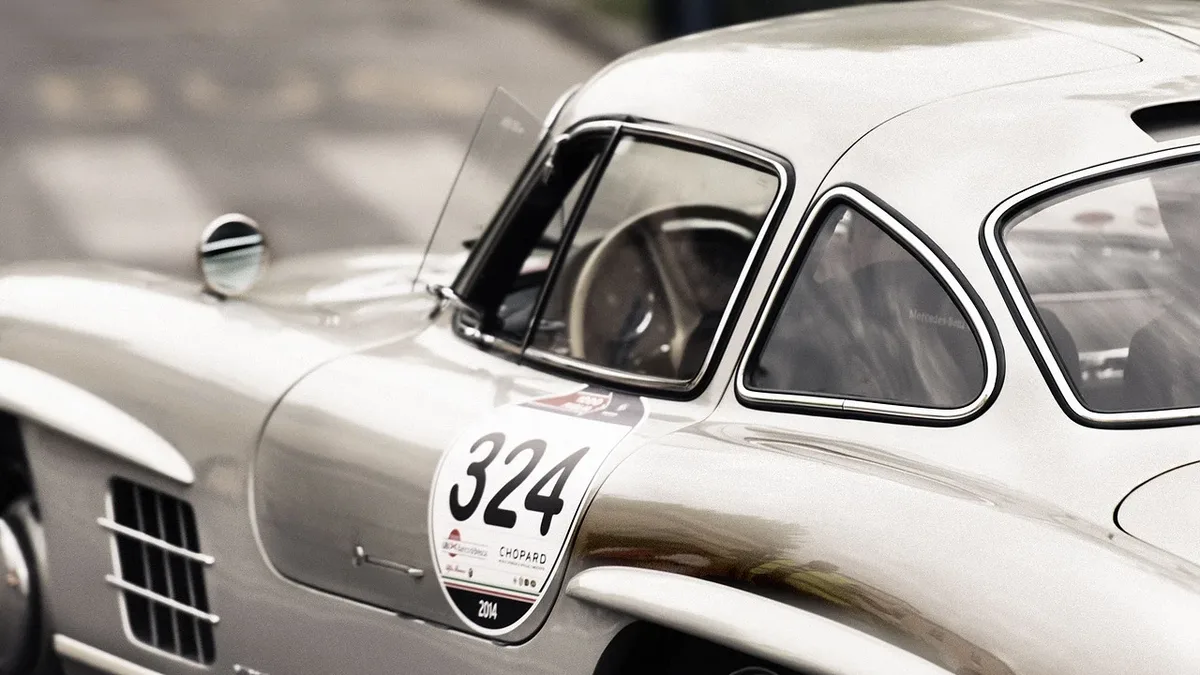
Bernina Gran Turismo historic hillclimb returns in September
The Bernina Gran Turismo historic hillclimb event is scheduled for September 11-13, 2026 on the Bernina Pass. The 5.4-kilometre course will feature...
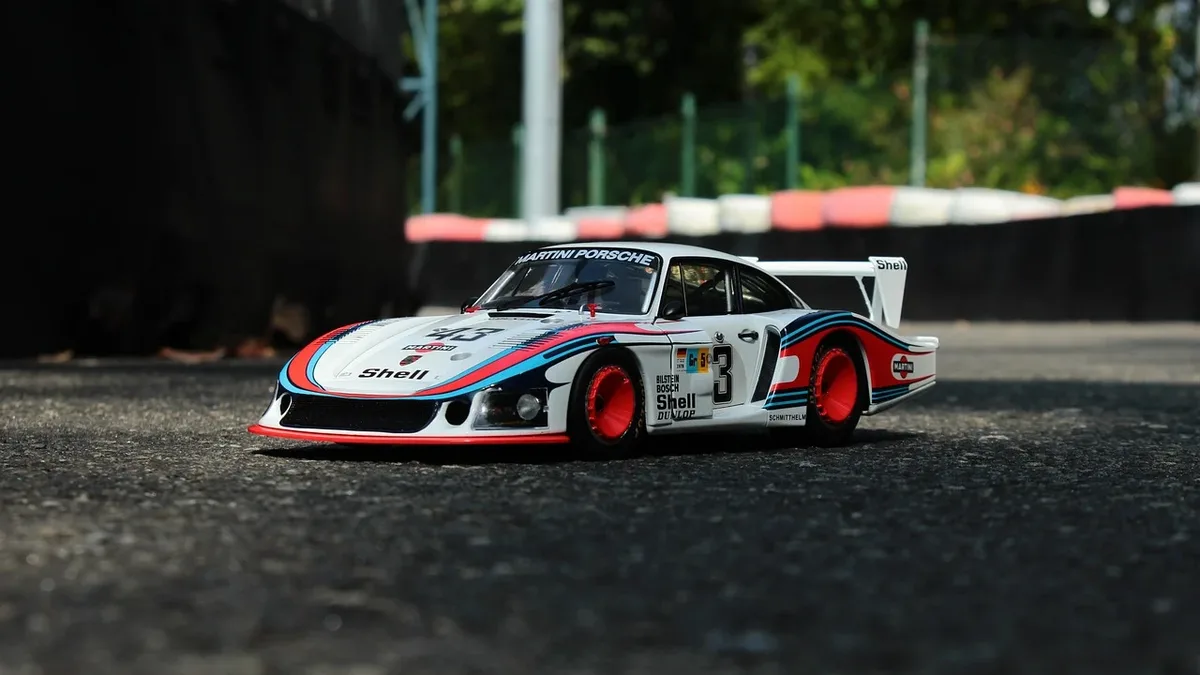
Porsche 959 Sport Sells for $7 Million
A 1989 Porsche 959 Sport sold for $7,045,000 at an RM Sotheby's auction, surpassing the price of a historic Paris-Dakar rally car.
Peugeot Showcases Two Competition Cars at Festival de Interlagos
Peugeot is celebrating its legacy in motorsport at the 5th edition of the Festival de Interlagos with the unveiling of two competition cars, the 208...
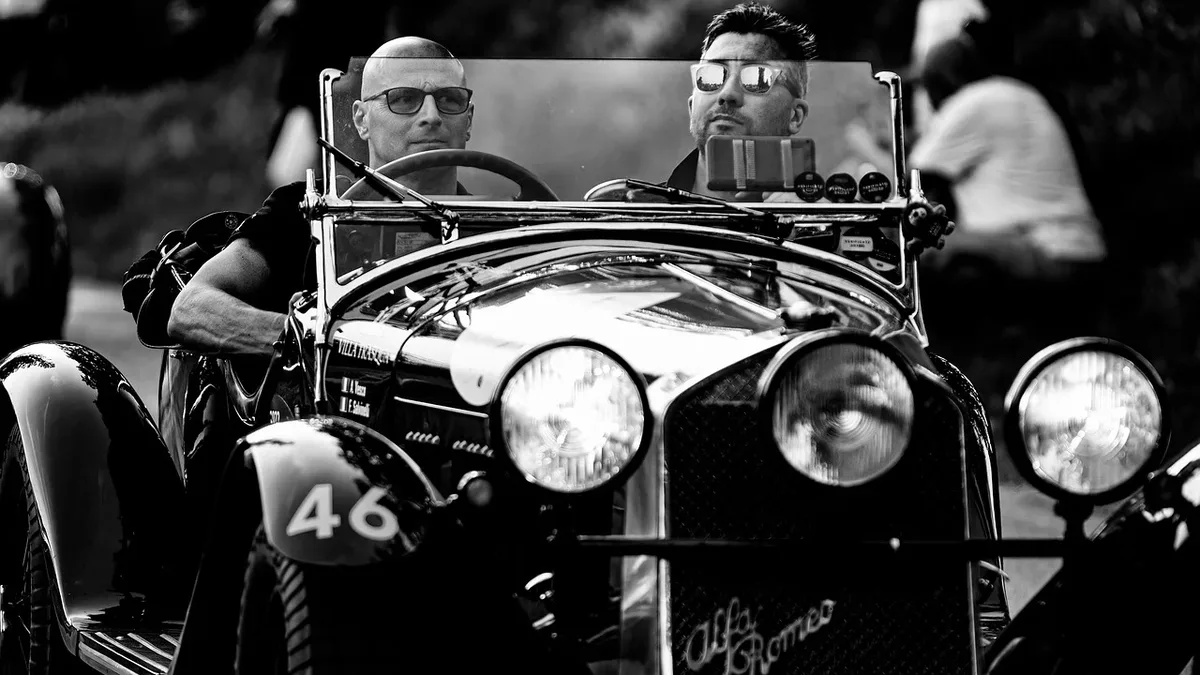
Porsche Fest to Bring Clients and Fans to Interlagos for Racing, Classics, and Shows in November
Porsche is announcing the Porsche Fest and the official opening of ticket sales for the new edition of the largest festival dedicated to the luxury...
Leapmotor B10 Ultra-Hybrid Confirmed for Brazil
Leapmotor expands its Brazilian lineup with the B10 Ultra-Hybrid, a range-extended electric vehicle (REEV) set to debut at the 2026 Interlagos...