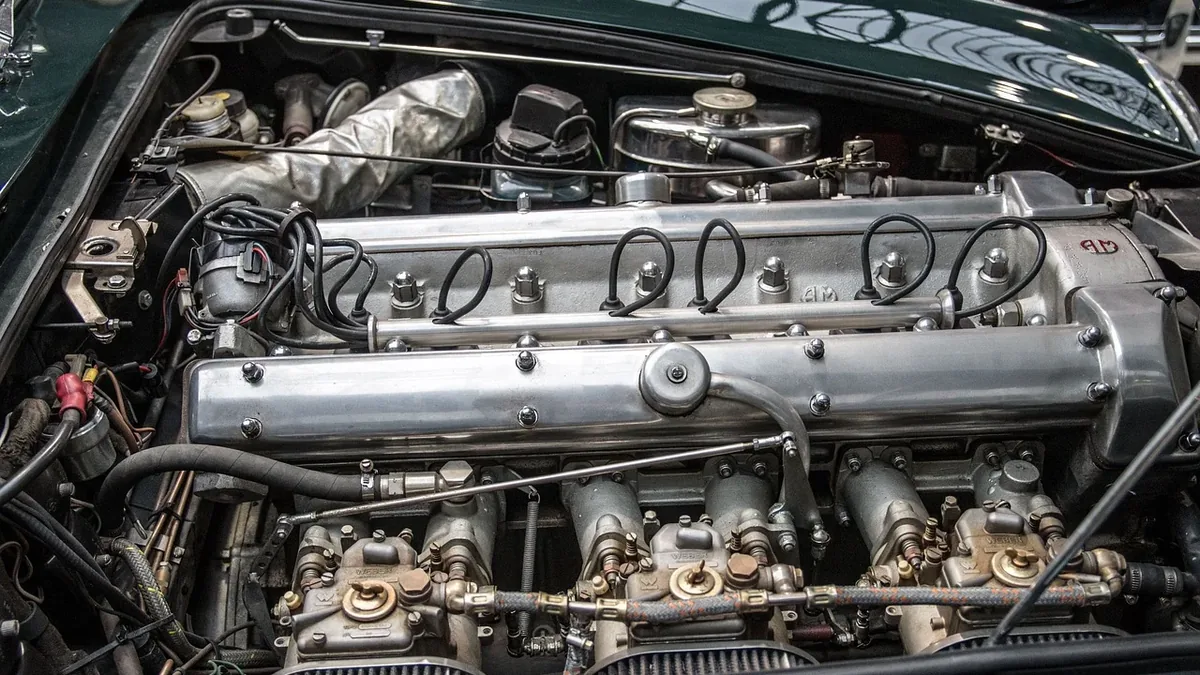
Engine Rebuild
| Marque | Engine Rebuild |
|---|---|
| Original use | Restoring a vehicle's original performance and longevity |
| Typical scope | Full teardown, inspection, machining, and reassembly with new wear components |
| Core components addressed | Cylinder block, crankshaft, connecting rods, pistons, valvetrain |
| Common trigger | Excessive wear, oil consumption, loss of compression, or major mechanical failure |
| Outcome versus replacement | Retains original engine serial number and vehicle matching-numbers status |
| Professional requirement | Precision machining and measurement, specialized assembly knowledge and procedures |
Origin and history
The practice of engine rebuilding originates from the early decades of the automotive industry in Europe and North America. It emerged as a fundamental mechanical process shortly after the mass production of internal combustion engines began in the late 19th and early 20th centuries. The core concept was developed out of necessity to extend the service life of expensive machinery, rather than replacing it entirely. This repair methodology became standardized in professional automotive repair shops and by skilled individuals as vehicle ownership expanded. The techniques and precision associated with a proper rebuild were well-established in mechanic trade schools by the mid-20th century. It remains a cornerstone of automotive preservation and performance enhancement, grounded in these early industrial repair principles.
What it is designed for
An engine rebuild is designed to restore an internal combustion engine to a state of reliable, like-new mechanical operation without a full factory remanufacturing. The primary goal is to address internal wear, damage, or failure in critical components like pistons, bearings, and seals. It is specifically undertaken to eliminate excessive oil consumption, restore lost compression, remove harmful engine knock, and return power output to its original specifications. This process is targeted at engines where wear is advanced but the core structure, such as the engine block and cylinder head castings, remains sound and undamaged. It serves as a comprehensive mechanical refresh, often chosen when simpler repairs like a top-end overhaul are insufficient. The design purpose is fundamentally one of mechanical rehabilitation for continued service.
Development and versions
The development of engine rebuilding has progressed alongside advancements in machining technology, metallurgy, and gasket materials. Early rebuilds relied heavily on manual machining and fitting, whereas modern processes utilize computer-controlled machining for far greater precision. Key versions or levels of a rebuild are defined by the scope of work and the specifications used, such as a standard rebuild to factory tolerances versus a performance rebuild with upgraded components. Another significant development is the distinction between a short-block rebuild, which focuses on the engine block assembly, and a long-block rebuild, which includes the cylinder heads. The availability of improved sealing technologies and synthetic lubricants has also dramatically altered rebuild procedures and longevity. The practice continues to evolve with the integration of new engine designs, including forced induction and direct injection systems.
Overview
An engine rebuild is a major mechanical procedure involving the partial or complete disassembly of an engine to replace worn components. The core work typically includes machining key surfaces, such as cylinder bores and valve seats, and installing new pistons, rings, bearings, and seals. All ancillary components, such as the water pump, oil pump, and timing components, are usually inspected and replaced as necessary. The process demands a high level of technical skill, precise measurement, and methodical assembly to ensure success. A successful rebuild results in an engine that operates with renewed efficiency, power, and oil-tight integrity. It is a defining project in automotive restoration and performance circles, often documented meticulously for provenance.
What to know
A professional-grade engine rebuild is a significant financial investment, often costing several thousand dollars, and requires selecting a machinist and builder with proven expertise. The true cost must account for not only parts and machining but also for ancillary systems that should be addressed while the engine is out, such as clutch, mounts, and cooling system components. Rebuild quality hinges entirely on the precision of machining and the quality of the parts kit used; opting for the cheapest components frequently leads to premature failure. Documentation of the rebuild, including specifications, part numbers, and machine shop receipts, is critical for future reference and directly enhances the vehicle's provenance and value. It is essential to establish clear specifications and tolerances with the builder beforehand, deciding between factory standards, performance upgrades, or a simple re-ring job. Understanding that a rebuild is a process measured in months, not weeks, is vital for realistic planning.
Common questions
What is the difference between an engine rebuild and an engine replacement? A rebuild repairs the original engine, while a replacement installs a different, often used or remanufactured, engine unit. How long should a properly rebuilt engine last? Can any engine be rebuilt? Most engines can be rebuilt unless the core castings are cracked, warped, or have suffered catastrophic damage that machining cannot correct. Is it worth rebuilding a high-mileage engine? This depends on the vehicle's value, rarity, and sentimental worth, as the rebuild cost can easily surpass the market value of a common car. What does "machining" involve in a rebuild? It typically includes cylinder boring/honing, crankshaft grinding/polishing, and resurfacing the cylinder head and block decks to ensure flat, true surfaces. Does a rebuilt engine increase a car's value? For collector and enthusiast vehicles, a documented, high-quality rebuild by a recognized shop can significantly increase value and saleability.
Pros and cons
A primary pro is the restoration of original performance and reliability, often with the opportunity to incorporate reliability improvements over the original design. It preserves the vehicle's numbers-matching status, which is paramount for provenance and value in collector markets. A significant con is the high and often unpredictable cost, as disassembly can reveal additional, necessary repairs that escalate the budget. Many who regret the choice underestimated the total project scope and cost, or selected a builder based on price alone, resulting in poor workmanship and rapid failure. A common mistake is failing to upgrade or replace ancillary components like the oil pump and cooling system, leading to the premature failure of the freshly rebuilt engine. Another frequent downside is the extended vehicle downtime, which can stretch to over a year if parts are scarce or the builder is backlogged.
Who it suits
An engine rebuild suits the owner of a classic, rare, or otherwise irreplaceable vehicle where preserving the original engine block is a priority for historical authenticity. It is appropriate for dedicated enthusiasts and restorers who have the technical knowledge to oversee the project or the budget to commission a reputable specialist. This process suits individuals who plan to keep the vehicle long-term, as the investment is seldom recouped on a quick sale of a mundane model. It is also well-suited for performance applications where the engine will be built to a custom specification not available from a crate engine supplier. Ultimately, it is for those who value mechanical integrity and provenance over convenience and lowest cost.
Latest Engine Rebuild news
Latest reporting
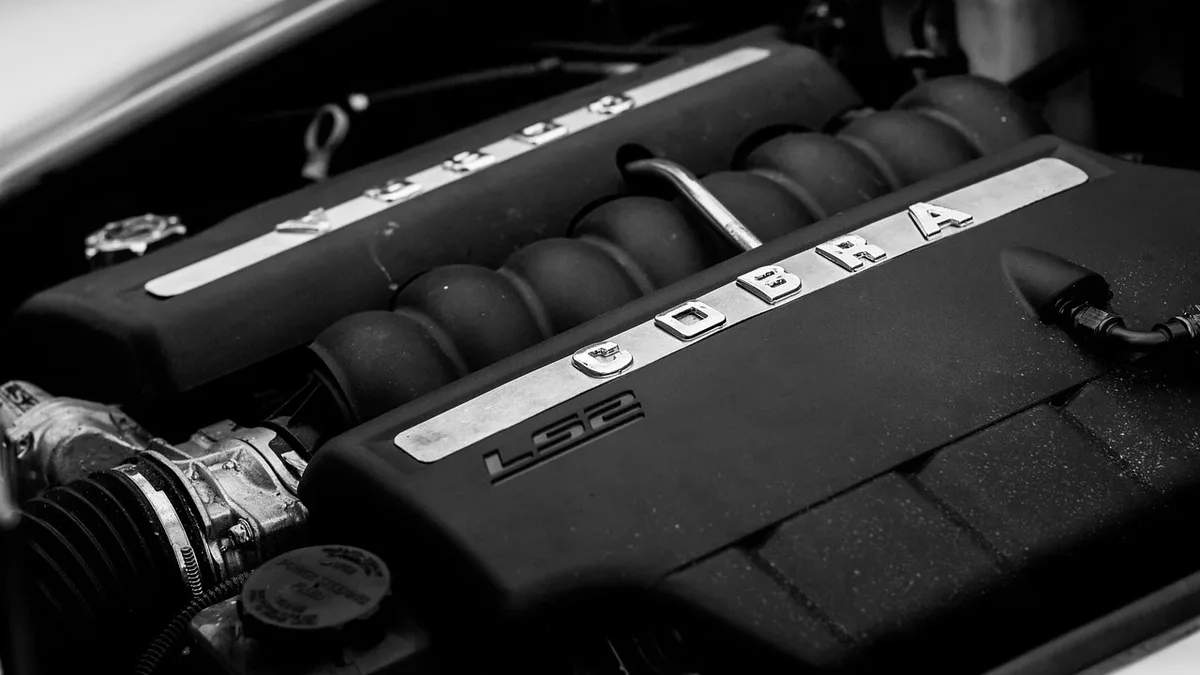
Ford Revives Mustang Cobra Nameplate for 2027
Ford confirms the iconic Mustang Cobra name will return in 2027 for a high-performance coupe, expected to feature a naturally aspirated V8 engine and...
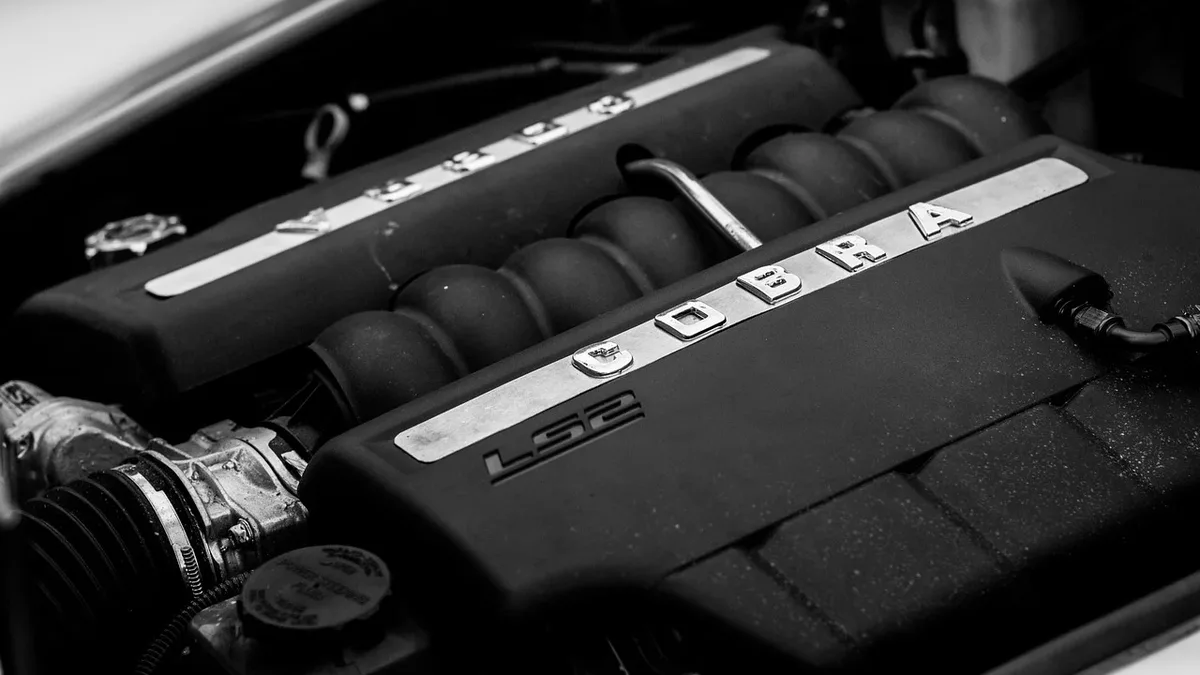
Ford Bronco Frostwarden Concept Debuts with 1,200+ HP Megazilla V8
Ford unveiled the one-off Bronco Frostwarden Arctic rescue concept at the 2026 SEMA Show, featuring a 1,200+ horsepower Megazilla 2.0 V8 crate engine.
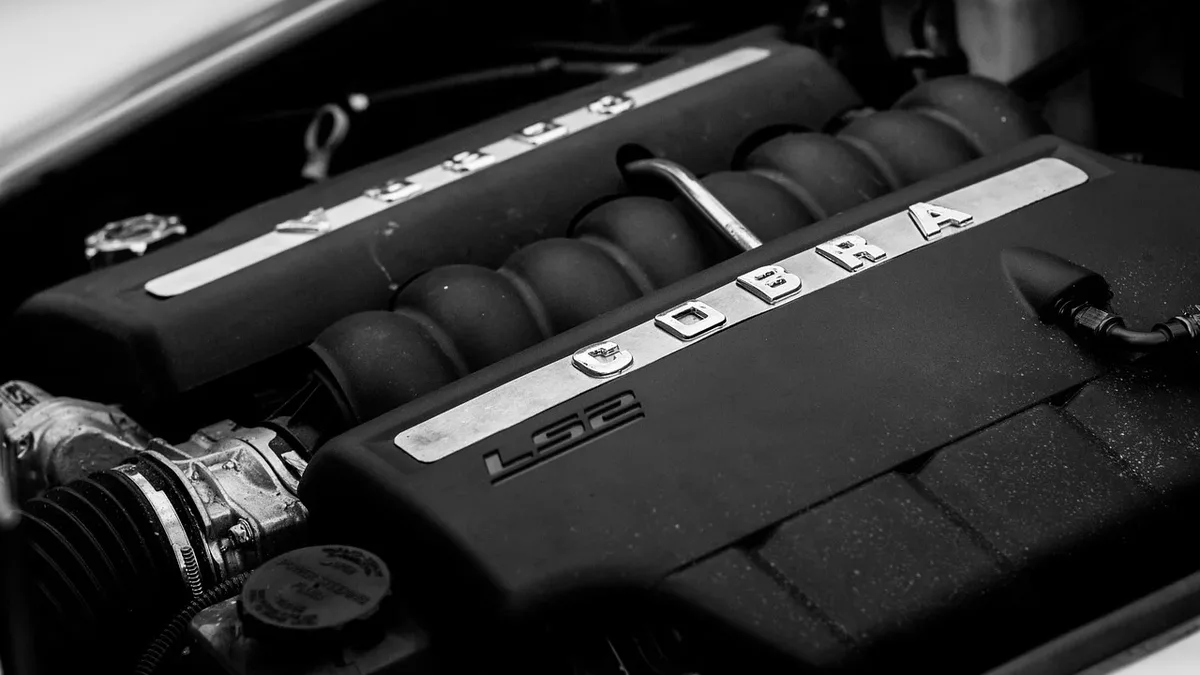
Ford's 580 HP Aluminator XS Crate Engine
A classic car expedition in Argentina visits the hometown of Juan Manuel Fangio, while Ford Performance unveils its latest high-power crate engine...
1970 Honda CT70H Trail with Upgraded Engine
A restored and modified 1970 Honda CT70H Trail motorcycle is offered for sale, while a rare 1992 Alpine A610 Magny-Cours special edition heads to...

Electric vehicle tuning mirrors classic engine tuning
Automotive preparer Ricardinho ACF has demonstrated that electric drivetrains can be tuned for more power and torque.

1971 Saab Sonett III Offered After Full Restoration
A fully restored 1971 Saab Sonett III sports coupe is for sale. The car features a 1.7-liter Ford V4 engine and a 4-speed manual transmission.