Electric vehicle tuning mirrors classic engine tuning
Automotive preparer Ricardinho ACF has demonstrated that electric drivetrains can be tuned for more power and torque.
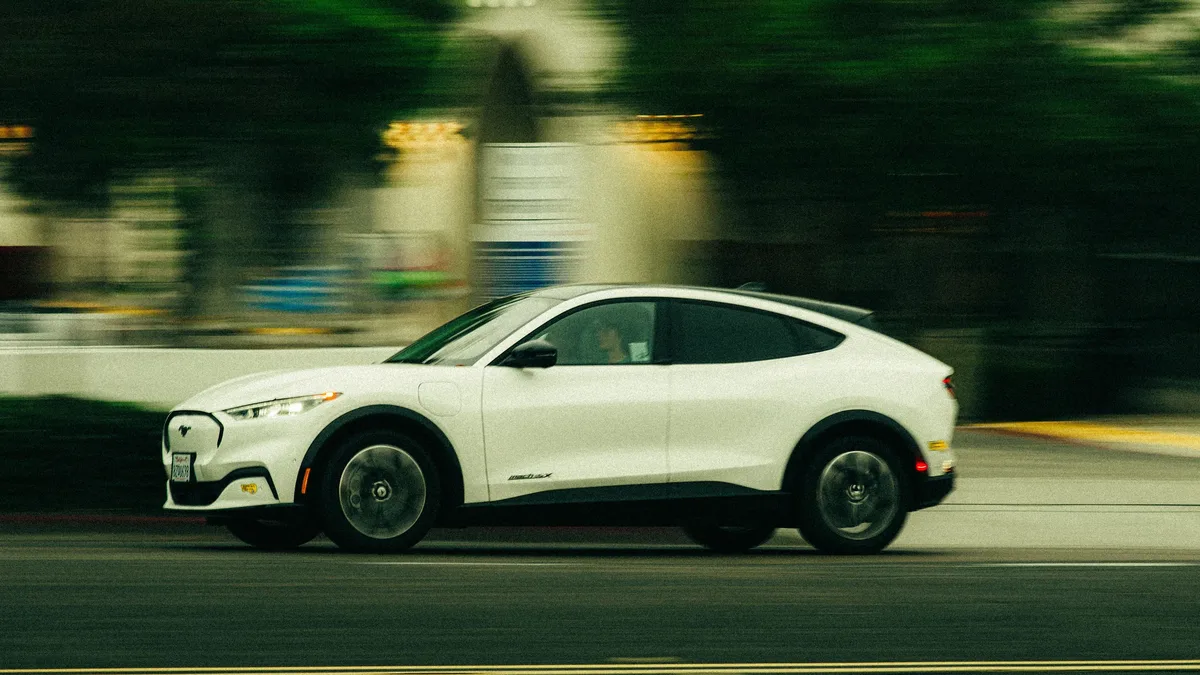
Automotive preparer Ricardinho ACF has successfully modified a Geely EX2 electric hatchback to extract more power and immediate torque, proving that electric vehicle tuning is technically feasible. The project, developed in direct partnership with the Chinese manufacturer, went beyond a visual exercise to demonstrate that original electric drivetrains can yield performance gains through electronic reprogramming, similar to traditional engine tuning.
Thermal management as the key constraint in EV tuning
Energy and heat management in electric vehicles changes substantially compared to combustion engines. In the project with the Geely EX2, the thermal resistance limit changes radically in a ten-minute drift session compared to driving hundreds of kilometers under full load on highways. Thermal management of batteries and motor becomes the main technical bottleneck in preparation.
Increased electrical discharge requires rigorous control over high-voltage system heat dissipation. Proper thermal management is necessary to withstand energy discharge peaks without degrading original components. Similar to a turbo pressure increase in conventional engines needing better heat exchangers, electric models demand reinforced cooling systems. This reinforced cooling is needed to support energy peaks without degrading batteries or damaging the electric motor.
Parallels between EV and combustion engine calibration processes
The dynamic tuning logic for electric vehicles resembles conventional engine calibration. Ricardinho ACF explained that manufacturers leave a safety margin to avoid overheating during prolonged use. This margin allows reworking energy discharge peaks for short-duration severe use.
In track use like a ten-minute drift session, battery operational slack can be exploited for higher performance. This operational leeway allows the vehicle to operate at higher levels of electrical discharge. The alteration results in immediate torque gain at the rear wheels but increases heat dissipation.
Validation and rigor in electric vehicle preparation
Preparing electric vehicles for enhanced performance requires the same rigorous validation processes as conventional engines. When homologating an internal combustion engine, manufacturers set limits based on hours at full load under maximum power RPM without overheating or catastrophic failure. Electric vehicles must also undergo similar validation processes for thermal limits.
In combustion engines, increased turbo pressure demands a more efficient intercooler to contain temperature and protect the turbine. These practices are consolidated in the combustion vehicle universe. They are beginning to gain space in the electrified vehicle segment. The process requires the same rigor applied to conventional engines. Ricardinho ACF stated, "Um carro elétrico também tem que passar pelas mesmas coisas."
He concluded that working on electric vehicles is possible but more costly than on combustion engines.