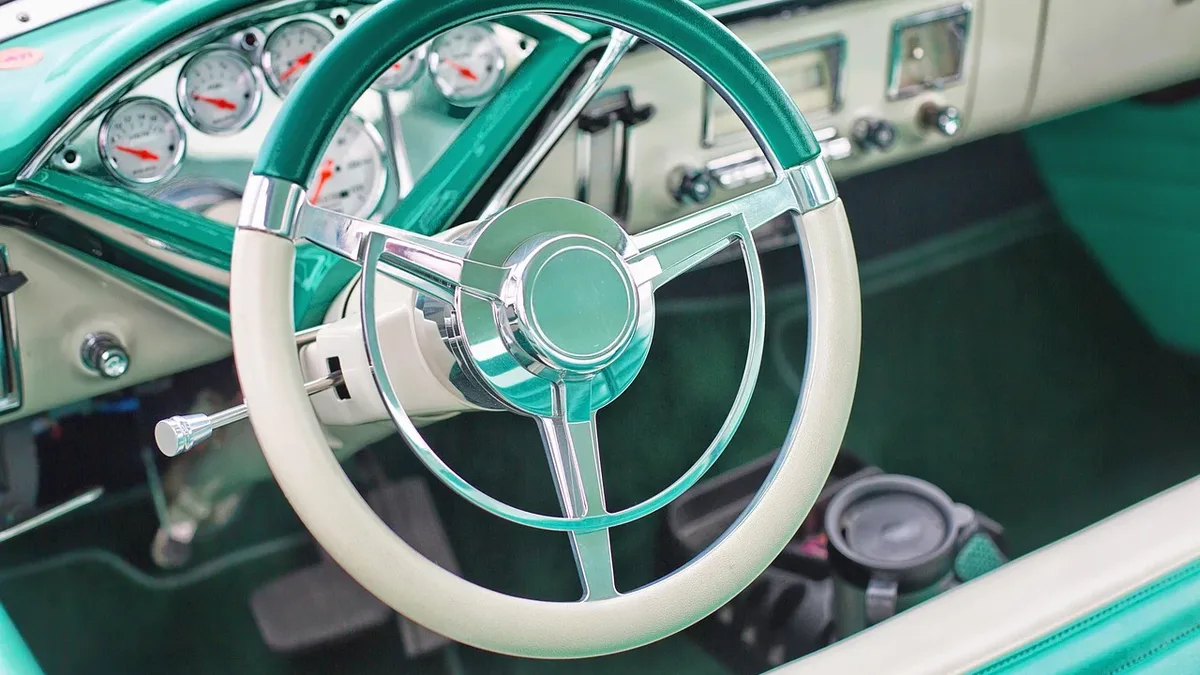
Youngtimer
| Production years | [Start Year] to [End Year] |
|---|---|
| Body style | [e.g., 2-door coupe, 4-door sedan, estate] |
| Engine | [e.g., Inline-four, V6, displacement, fuel type] |
| Power output | [e.g., Approx. 150-200 hp] |
| Transmission | [e.g., 5-speed manual, 4-speed automatic] |
| Drive type | [e.g., Front-wheel drive, Rear-wheel drive] |
| Special editions/trims | [e.g., Limited-run models or performance variants] |
| Notable features | [e.g., Specific technology, design element, or motorsport heritage] |
Overview
The term Youngtimer describes a category of classic cars that are not yet old enough to be considered true vintage or antique vehicles, but have surpassed the point of being merely used cars. Typically, these are models from the late 1970s through the 1990s, an era encompassing the end of analog engineering and the early integration of electronic systems. They occupy a distinct niche between modern classics and everyday transportation, often representing a specific period of automotive design and technology. The appeal lies in their relative affordability compared to older classics, combined with a tangible sense of nostalgia and driving character often absent in contemporary vehicles. Their values are not solely dictated by rarity or pristine originality but are heavily influenced by condition, provenance, and market trends driven by generational affluence. As a category, Youngtimers are dynamic, with specific models rising and falling in desirability as they cross the threshold from used commodity to sought-after collectible.
What to know
When evaluating a Youngtimer, provenance and verifiable maintenance history are frequently more critical than for a newer used car, as replacement parts can become scarce and specialist knowledge is often required. A car with a complete file of receipts and records typically commands a significant premium over an otherwise similar example with gaps in its history. Condition is paramount, but the definition of "good condition" for a Youngtimer accepts period-appropriate wear on interiors and certain components, distinguishing it from the perfection expected of a concours-level older classic. Understanding the model-specific failure points is essential, as these cars are old enough for rubber components, electronics, and plastics to degrade, yet not old enough for a comprehensive restoration parts industry to always exist. The purchase price is only one part of the cost equation, as upkeep often requires sourcing parts from specialist breakers or commissioning custom reproductions. Values are established transparently by public auction results and private sale listings, making research into what comparable examples have actually sold for a fundamental step in the process.
Common questions
Prospective owners often ask whether a Youngtimer can serve as a reliable daily driver, which depends entirely on the specific model, its condition, and the owner's tolerance for inconvenience and unexpected repairs. Another frequent inquiry concerns modern fuel compatibility, particularly for cars designed for leaded petrol, requiring an understanding of valve seat protection strategies for older engines. Buyers commonly seek guidance on where to find parts and reputable specialists for servicing, as mainstream dealership networks often no longer support these aging models. Questions about investment potential are prevalent, and while some Youngtimers appreciate, many do not, and they should primarily be purchased for enjoyment rather than speculative gain. People wonder about the impact of modifications, and the market generally favors originality, though period-correct upgrades or well-executed modern enhancements can be acceptable depending on the model's community. Finally, individuals ask how to properly insure a Youngtimer, necessitating an agreed-value policy from a specialist insurer rather than a standard policy that would only cover basic depreciated value.
Pros and cons
A significant advantage of Youngtimers is the analog driving experience they offer, with tactile controls, engaging feedback, and simpler mechanics that enthusiasts find rewarding. They provide access to iconic designs and historically significant engineering at a point where they are often more usable and affordable than older classics. However, a major con is the unpredictability of ownership; electronic control units, plastic interior trim, and specialized rubber seals can fail catastrophically and be impossible to find new, leading to lengthy searches for used parts or expensive custom fabrication. The common mistake is underestimating maintenance costs and time, buying on emotion alone without a pre-purchase inspection from a marque specialist who knows the specific failure points. Those who regret choosing a Youngtimer are often individuals who needed a dependable vehicle or lacked a secondary car, as even a well-sorted example can strand an owner. The ownership experience bifurcates sharply between those with a supportive community and parts network and those with a model that has fallen into obscurity, where every repair becomes a project.
Who it suits
The Youngtimer category suits the hands-on enthusiast who enjoys the process of maintenance and sourcing parts as much as, or more than, simply driving the car. It is ideal for the nostalgic buyer seeking a specific model from their youth, valuing emotional connection over modern convenience and efficiency. This niche fits collectors who appreciate automotive history but operate with a more constrained budget than is required for blue-chip classics, allowing them to own multiple interesting cars. It is well-matched to individuals with practical skills or a trusted relationship with an independent specialist garage, as reliance on general mechanics can lead to misdiagnosis and improper repairs. Youngtimers suit owners who have secure storage and a second, more modern vehicle for daily transportation, insulating them from the inevitable downtime. Finally, they are for the discerning buyer who conducts thorough research, understands the total cost of ownership, and values the unique character of an era over the latest technology and performance metrics.