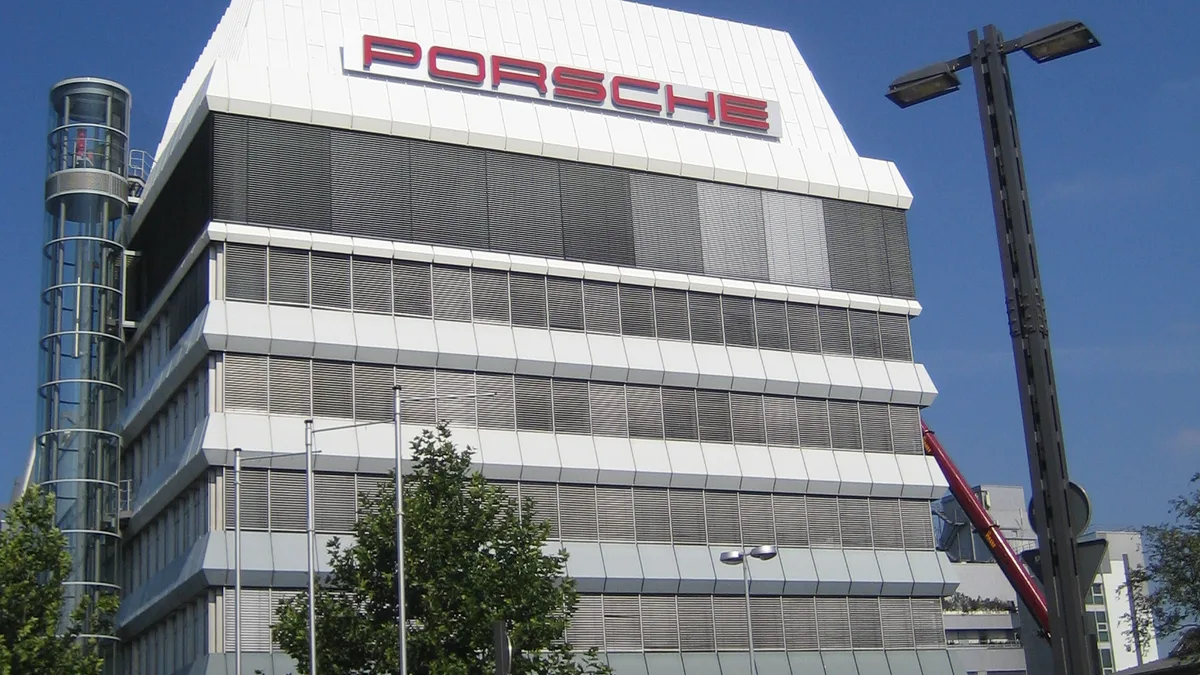
Porsche
| Country of origin | Germany |
|---|---|
| First created | 1948 |
| Original use | Sports and racing cars |
| Typical engine configuration | Rear-mounted, horizontally opposed (flat) six-cylinder |
| Typical drive configuration | Rear-wheel drive or all-wheel drive |
| Typical body style | Two-door coupé or convertible |
| Construction | Unibody with steel or aluminum body panels |
| Notable model series | 911 |
Origin and history
Porsche originates from Germany, specifically the Stuttgart region in the mid-20th century. The company was founded by Ferdinand Porsche, an engineer whose earlier work included significant automotive designs for other manufacturers. The first model to bear the Porsche name, the 356, was launched in the late 1940s, establishing the brand's core identity. This vehicle was a lightweight, rear-engine sports car derived from components of the Volkswagen Beetle, another design by Ferdinand Porsche. The company's focus from its inception was on engineering and performance rather than volume production. The iconic 911 model, which would become synonymous with the brand, was introduced in the mid-1960s and maintained the rear-engine layout as a defining characteristic. The marque's history is deeply intertwined with motorsport, using competition to develop and prove its engineering concepts.
What it is designed for
Porsche automobiles are fundamentally designed for high-performance driving and engineering excellence. Their primary design purpose is to deliver precise handling, powerful acceleration, and sustained high-speed capability, often derived from motorsport experience. The vehicles are engineered to be usable on public roads while retaining track-focused performance characteristics, a concept often described as everyday practicality meets racing technology. The design philosophy consistently prioritizes a low center of gravity, optimal weight distribution, and aerodynamic efficiency to enhance stability and driver feedback. While early models were purely two-door sports cars, the marque's design scope has expanded to include grand tourers, sedans, and SUVs, all adhering to core performance principles. The interior design and control layout are typically driver-centric, placing all essential instruments and controls within easy reach to minimize distraction.
Development and versions
Major model lines include the 911, the mid-engine Boxster and Cayman, the front-engine Panamera sedan, the Cayenne and Macan SUVs, and the all-electric Taycan. Within each line, development typically progresses through iterative generations, often designated by internal code numbers, with enhancements to power, chassis, and technology. Special versions are frequently developed, including lightweight Clubsport models, more powerful Turbo and GT3 variants, and limited-production racing homologation specials. Development is heavily informed by motorsport activities in series like Le Mans and the Nürburgring, with technology directly trickling down to production cars. The marque has also developed hybrid and fully electric powertrains, integrating them into models like the 918 Spyder, Cayenne E-Hybrid, and the purpose-built Taycan, while maintaining performance benchmarks.
Pros and cons
A significant pro is Porsche's renowned build quality and engineering durability, with many models capable of high mileage with proper maintenance while retaining their driving dynamics. The resale value of core models like the 911 is historically strong, reflecting their desirability and perceived longevity. A common con is the very high cost of ownership beyond the purchase price, including expensive routine servicing, insurance, and replacement parts specific to the brand. Owners who neglect regular, specialized maintenance often regret the choice, as repair costs for deferred issues can be extraordinarily high. The common mistake is purchasing an older, high-mileage example for its lower initial price without budgeting for the substantial and inevitable maintenance and repair costs, leading to financial strain. Another con for some drivers is the sometimes-firm ride quality in performance-oriented models, which can become fatiguing on imperfect roads, and the rear-engine layout in 911s requires acclimation to its unique handling characteristics at the limit.
Who it suits
Porsche suits the driver who prioritizes driving engagement, precision, and mechanical feedback above all else, even in daily commuting or long-distance travel. It suits an owner who has both the means and the willingness to invest in consistent, expert maintenance to preserve the vehicle's performance and value. The marque suits enthusiasts who appreciate evolutionary design and a deep historical lineage in motorsport, valuing engineering continuity over radical stylistic changes. It is well-suited to those requiring practical performance, such as the cargo space in an SUV or the rear seats in a Panamera, without sacrificing driving dynamics. Porsche does not suit buyers seeking the lowest cost of entry into the luxury performance segment or those unprepared for the operational costs, as cheaper alternatives exist with lower running expenses. It is also less suited to those who desire conspicuous, flamboyant styling, as Porsche design tends toward purposeful and understated aesthetics, with brand recognition coming more from its silhouette than ornamentation.
Latest Porsche news
Latest reporting
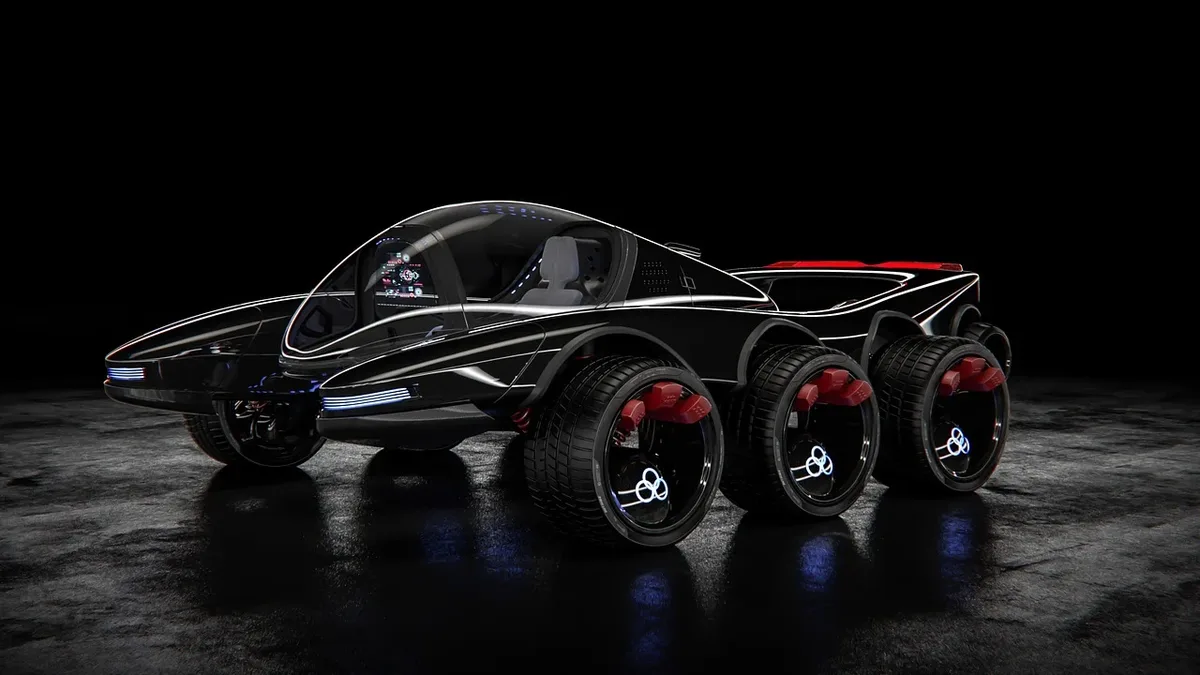
Porsche Mission S Concept Previews Permanent Mid-Engined Flagship
Porsche has unveiled the Mission S concept, a design-led vision for a new mid-engined supercar platform positioned above the 911. The concept signals...
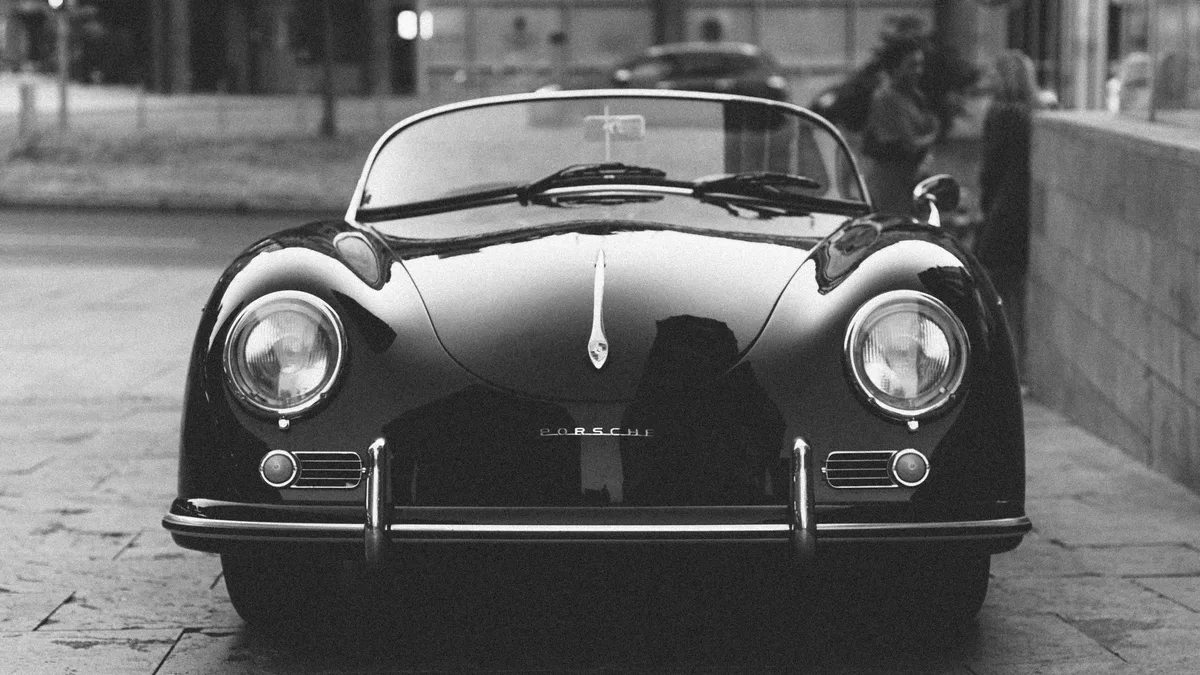
Porsche 993 RS Speedster Built Via Sonderwunsch Program
A one-off Porsche 993 Speedster, powered by a 3.8-liter Carrera RS engine, has been completed in 2024 through the manufacturer's Sonderwunsch program.
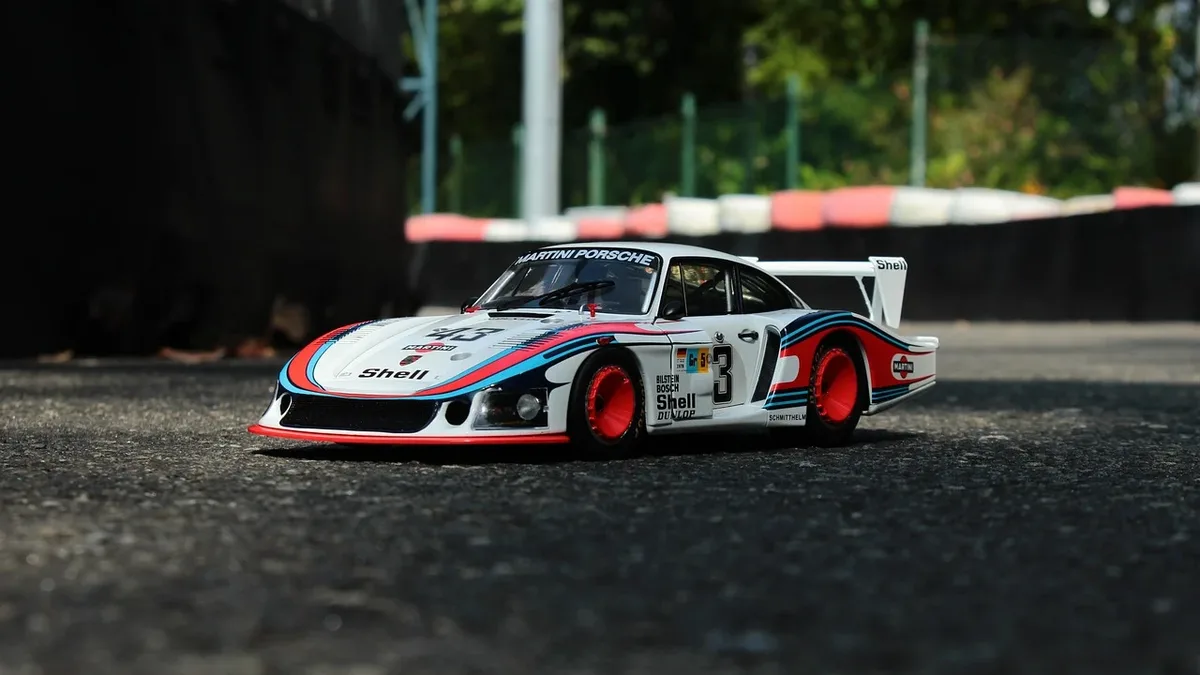
Porsche 959 Sport Sells for $7 Million
A 1989 Porsche 959 Sport sold for $7,045,000 at an RM Sotheby's auction, surpassing the price of a historic Paris-Dakar rally car.
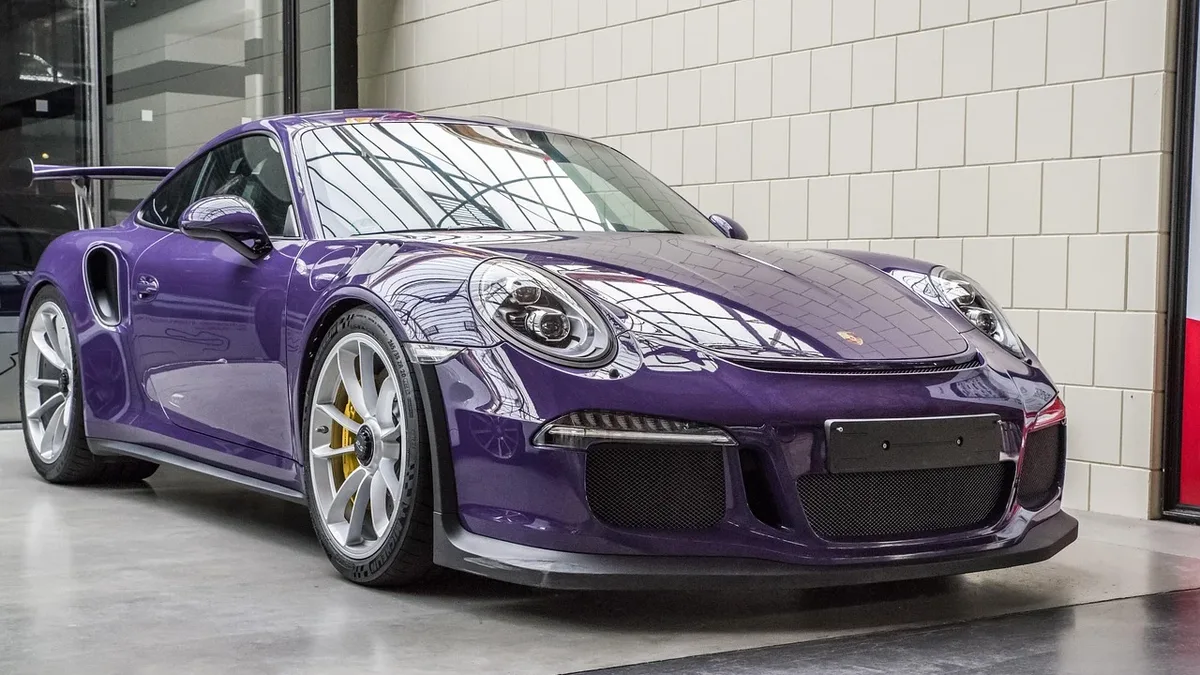
Porsche's Flachbau RS Honors Moby Dick
Porsche's Sonderwunsch department unveiled a bespoke 991-generation 911 GT2 RS Flachbau RS at Monterey Car Week.
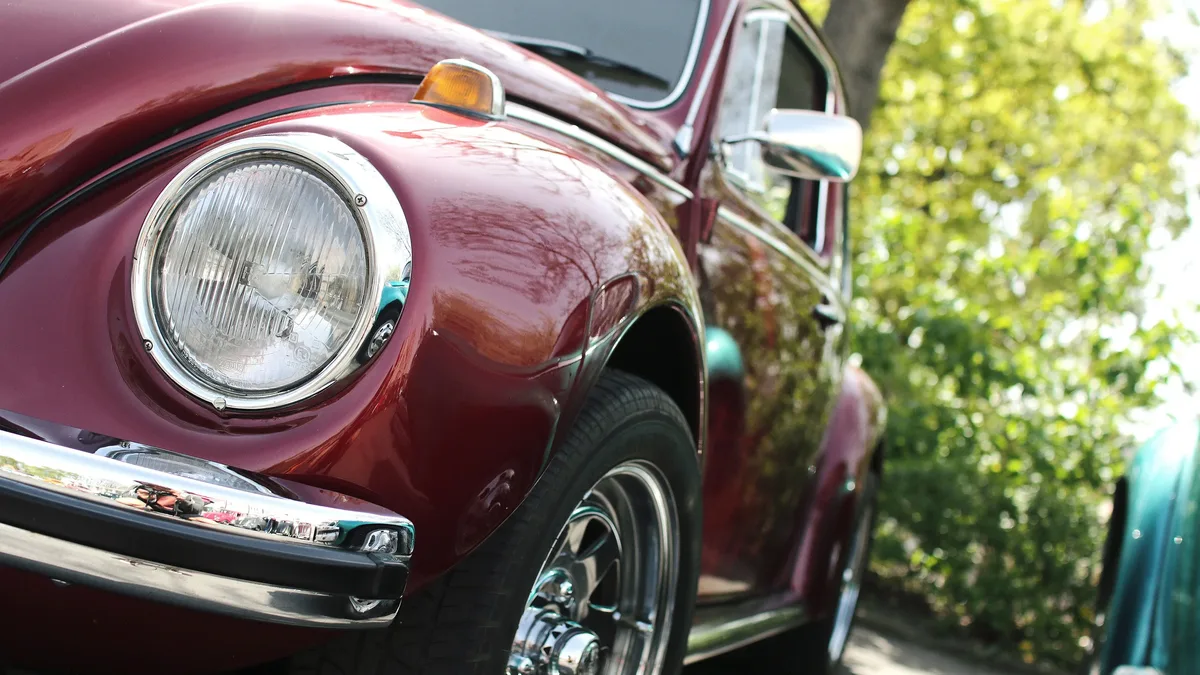
Porsche Creates Unique 911 Flachbau RS with 710 cv and Patented Rear Wing
Porsche's Sonderwunsch division has created a one-of-a-kind 911 Flachbau RS with a powerful engine and a patented rear wing.
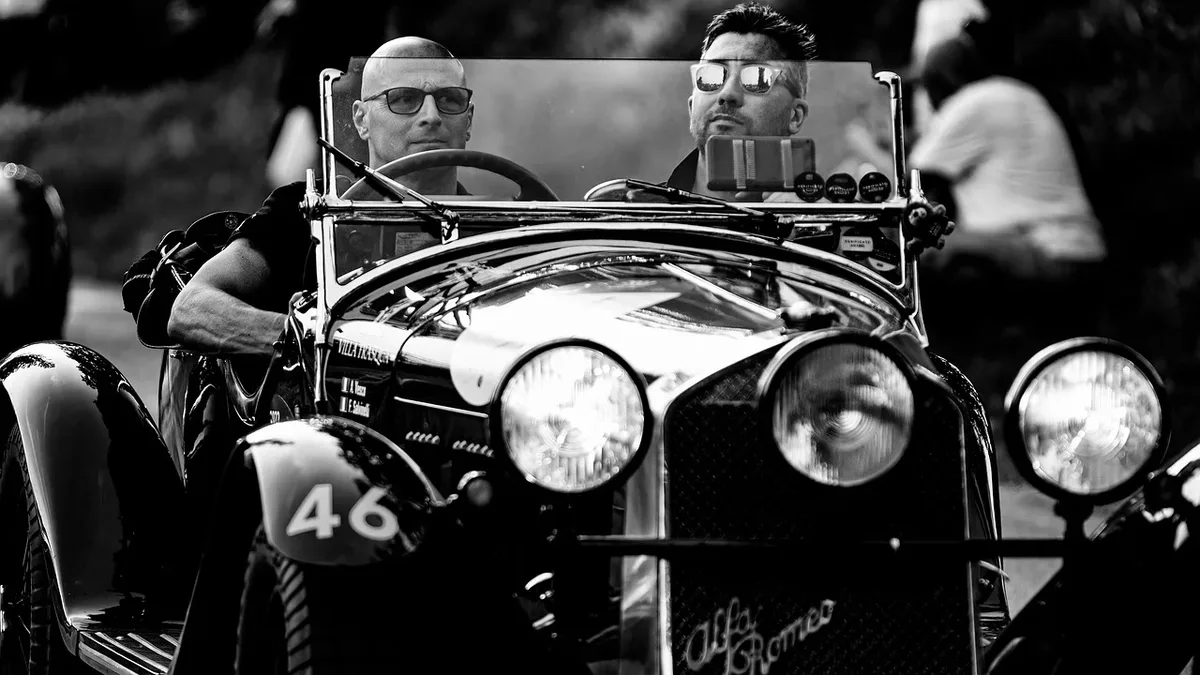
Porsche Fest to Bring Clients and Fans to Interlagos for Racing, Classics, and Shows in November
Porsche is announcing the Porsche Fest and the official opening of ticket sales for the new edition of the largest festival dedicated to the luxury...