JLR to retire Evoque and Velar by mid-2027
Jaguar Land Rover will discontinue its Range Rover Evoque and Velar models globally by mid-2027 with no direct replacements, pivoting to higher-margin vehicles. The new electric Range Rover GT, launching in 2027, will become the brand's new entry point.
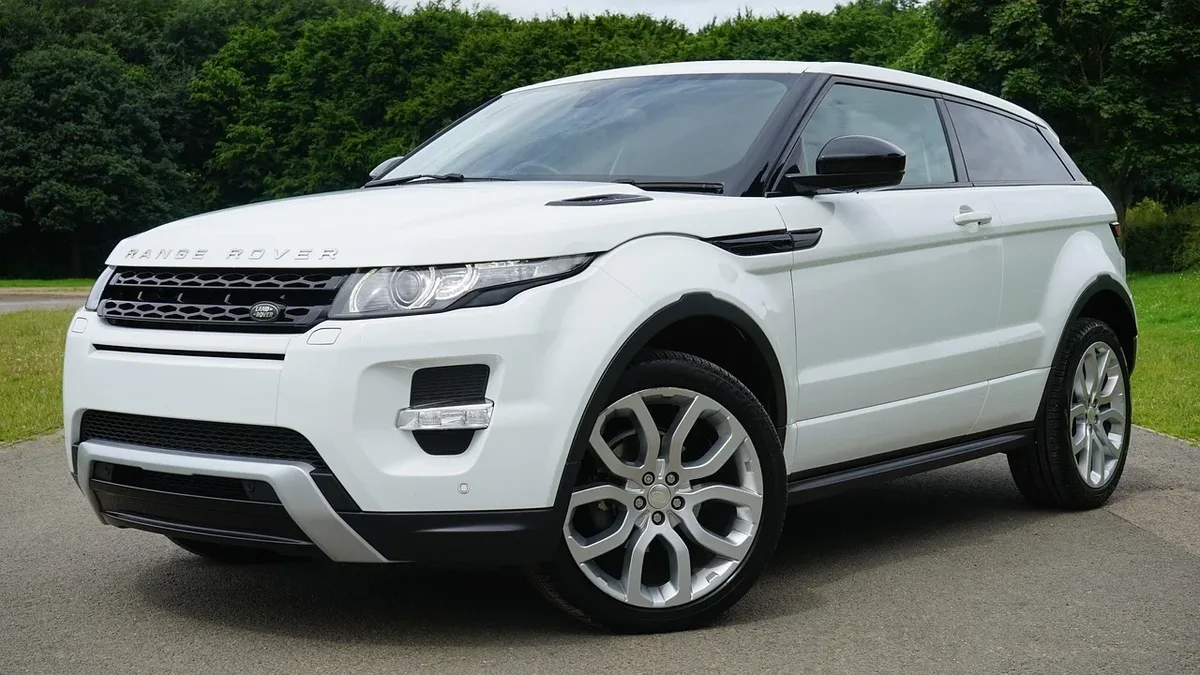
Jaguar Land Rover has confirmed the global discontinuation of the Range Rover Evoque and Velar. Production of both SUV models will end in mid-2027, with no direct replacements planned.
This strategic move halts two defining vehicles. The Evoque, launched in 2011, made the Range Rover brand accessible, accounting for over a third of global deliveries at its peak with more than 520,000 units sold. The Velar served as a higher-priced, design-led alternative. Their elimination raises the cost barrier to entry for the Range Rover nameplate.
Production legacy and manufacturing transition
The Evoque and Velar were produced at the Halewood plant in England. Demand was so intense a decade ago that the factory ran a 24-hour schedule for the Evoque during its first five years. This facility will now transition to build the next-generation Range Rover GT. Halewood also currently produces the Land Rover Discovery Sport.
In Brazil, JLR will end Discovery Sport and Evoque production at its Itatiaia factory in June 2026. That plant has an annual capacity of 24,000 vehicles and employs 371 people directly. The Chery group, JLR's long-standing manufacturing partner in China, is in active negotiations to take over the Itatiaia site. A decision is expected in 2026.
Range Rover GT specifications and positioning
The upcoming Range Rover GT will serve as the indirect successor, launching in 2027. It will be the first JLR model built on the new Electrified Modular Architecture (EMOA) platform, supporting electric and hybrid drivetrains. Positioned as the lowest-profile model in brand history, it is expected to be priced around 90,000 pounds sterling.
The GT adopts a minimalist 2+2 coupe configuration. Its interior features individual rear seats separated by a central console, wireless chargers, and a touchscreen for climate and media. Physical controls are mounted behind the steering wheel. Notably, more than 80 percent of interest in the GT comes from customers who currently own vehicles from other brands.
Strategic shift toward higher-margin vehicles
This model cull is part of JLR's 'House of Brands' reorganization. The company is focusing on premium, high-margin vehicles. The Range Rover brand will now consist solely of the traditional Range Rover, the Range Rover Sport, and the incoming GT. Martin Limpert, managing director of Range Rover, stated that giving Defender and Discovery clearer market positions sealed the fates of the Evoque and Velar.
The Defender and Discovery lines will handle the volume segment previously served by the Evoque and Velar. The Discovery already occupies a similar price point to the Velar. A smaller Defender model, potentially called the Defender Sport, will become the new entry-level offering with hybrid and electric powertrains. Defender Sport production is slated to begin at Halewood after the transition.
Solihull will continue producing the core Range Rover and Range Rover Sport, plus the forthcoming Jaguar Type 01. The strategic pivot concentrates on expensive, high-margin vehicles rather than expanding the Range Rover badge to capture more customers. The new electric Range Rover GT, with its exclusive architecture and seating, embodies this focused future.