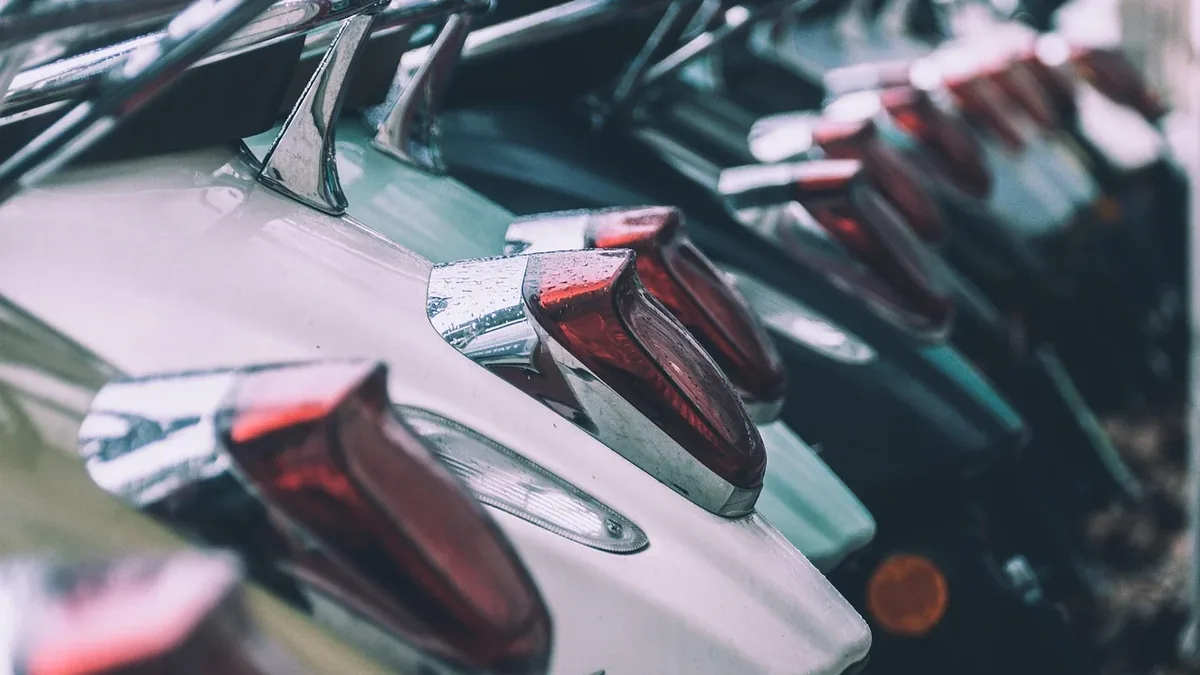
Chrome And Brightwork
| Marque | Chrome And Brightwork |
|---|---|
| Country of origin | United States |
| First created | 1990s |
| Original use | Custom-built show cars and luxury replicas |
| Construction | Hand-built on donor chassis |
| Typical donor | Ford or General Motors full-size sedan or pickup |
| Style | Retro-futuristic luxury and neo-classical |
| Finish | Extensive external chrome plating and polished details |
Origin and history
Chrome And Brightwork is a descriptive term originating in the mid-20th century automotive industry, primarily within North America. It refers to the polished metal exterior trim and decorative elements applied to a vehicle's body. The term itself comes from the two main components: "chrome" for the chromium-plated finishes and "brightwork" for any other polished metal, such as stainless steel or anodized aluminum. Its use became widespread in the 1950s and 1960s during the peak of automotive styling that emphasized lavish ornamentation. The practice was driven by a design philosophy that equated extensive shiny trim with luxury, quality, and technological advancement. This period saw chrome and brightwork evolve from modest accents to dominant design features on cars from major American manufacturers.
What it is designed for
Chrome And Brightwork is designed for aesthetic enhancement and perceived value addition to an automobile. Its primary function is to visually break up large painted body panels, creating contrast and highlighting the vehicle's lines and contours. Designers used it to draw attention to specific features, such as grilles, wheel arches, window surrounds, and along bodyside character lines. Beyond decoration, some elements served minor protective purposes, like bumper guards or rocker panel trim, though their protective capability was often secondary to appearance. In a broader cultural context, it was designed to signify prosperity and modernity, making a car appear more expensive and technologically finished. The reflective quality was also intended to make the vehicle stand out in both daylight and under artificial lighting at night.
Development and versions
The development of Chrome And Brightwork followed the technological and stylistic trends of the automotive industry from the 1930s onward. Early versions in the pre-war era were relatively restrained, often limited to radiator grilles, headlight bezels, and simple bumper bars. The post-war boom of the 1950s saw an explosion in complexity, with multi-piece bumpers, expansive grilles, hood ornaments, fender spears, and full-length bodyside moldings. Versions varied significantly between manufacturers, with brands like Cadillac and Chrysler using it liberally, while some European sports car makers used it more sparingly for contrast. The 1970s brought a decline due to factors like cost, weight, safety regulations impacting bumper design, and a shift towards more minimalist aesthetics. Modern iterations, often termed "brightwork" even if not chrome-plated, typically use fewer, more integrated pieces made from alternative materials like polished aluminum or plastic chrome appliqués.
Overview
Chrome And Brightwork encompasses all exterior non-painted metal trim on a vehicle. It includes functional components like bumpers, grilles, and door handles, as well as purely decorative elements like hood ornaments, wheel covers, and trim strips. The material is typically steel that has been plated with layers of copper, nickel, and finally chromium for corrosion resistance and a high-gloss finish. On classic cars, the condition of the chrome and brightwork is a critical factor in assessing the vehicle's overall restoration quality and visual impact. The amount and style present are direct indicators of a car's era, market position, and design language. It represents a significant portion of the labor and cost in any high-level restoration due to the need for disassembly, plating, and meticulous re-fitting.
What to know
Evaluating Chrome And Brightwork on a classic car requires understanding that refinishing is one of the most expensive restoration processes. Re-plating involves stripping old chrome, repairing the base metal, and applying new plating layers in specialized, often environmentally regulated facilities. Original, un-restored brightwork in excellent condition is exceptionally rare and commands a premium, as factory plating was often thicker and of higher quality than many modern reproductions. Poorly done re-chroming can result in a "show car" finish that is too perfect and lacks the subtle character of original aged trim, potentially affecting provenance. On concours-level vehicles, judges will inspect for pitting, scratches, warping, and the correctness of the finish (e.g., correct brushed vs. mirror polish on specific pieces). It is also crucial to know that not all shiny trim is chrome; stainless steel and aluminum are polished and not plated, requiring different maintenance and restoration techniques.
Common questions
A common question is whether pitted or cracked chrome can be repaired without full re-plating, and the answer is that minor flaws can sometimes be addressed with specialized polishing, but significant damage requires stripping and re-plating the entire piece. Owners often ask how to maintain chrome, which involves regular washing with pH-neutral soap, thorough drying to prevent water spots, and occasional application of a protective wax or sealant designed for metal. Many inquire about the difference between "triple-plated" chrome and standard chrome, with triple-plating referring to the copper, nickel, and chromium layers that provide depth and durability. People frequently question the impact of aftermarket or incorrect brightwork on a car's value, which typically reduces value for serious collectors but may be acceptable for a driver-quality vehicle. A recurring question is whether to replace damaged original parts with new reproductions or to re-plate the originals, with re-plating originals being the preferred method for authenticity despite often higher cost. Collectors also ask how to store vehicles to preserve brightwork, requiring a dry, climate-controlled environment to prevent oxidation and pitting.
Pros and cons
A significant advantage of extensive Chrome And Brightwork is its defining role in the authentic appearance of a classic car, directly contributing to its period-correct aesthetic and nostalgic appeal. When properly maintained, it provides a stunning visual contrast that is difficult to replicate with painted surfaces. A major con is its relentless maintenance requirement; it is highly susceptible to pitting from road salt, etching from acid rain, and oxidation if not meticulously dried and protected. The cost of professional restoration or high-quality replacement is extraordinarily high, often surpassing the cost of a full repaint, and can become a financial trap for projects with poor-quality bases. A common mistake is underestimating the cost and time for brightwork restoration, leading to partially finished projects or a glaring mismatch between a fresh paint job and tired, dull trim. Many buyers regret purchasing cars where the brightwork appears acceptable from a distance but reveals extensive pitting and costly repair needs upon close inspection, fundamentally altering the project's budget.
Who it suits
Chrome And Brightwork suits the dedicated purist or concours competitor who values absolute originality and is prepared to invest the significant time and capital required for preservation or perfect restoration. It also appeals to the enthusiast who enjoys the detailed, hands-on maintenance ritual of cleaning and protecting these finishes as a core part of classic car ownership. This feature is less suitable for the owner seeking a low-maintenance driver or a budget-focused project, as the upkeep and potential restoration costs are disproportionately high. It is ideal for collectors focused on American cars from the 1950s and 1960s, where brightwork is integral to the design, rather than for those interested in minimalist European sports cars or utilitarian vehicles. Ultimately, it suits those who view the car as a complete period artifact, where the shine of the trim is as important as the paint color and mechanical function.