Jaguar
| Marque | Jaguar |
|---|---|
| Country of origin | United Kingdom |
| First created | 1920s |
| Original use | Motorcycle sidecars and automobile bodies |
| Vehicle type | Luxury saloons and sports cars |
| Typical drivetrain | Front-engine, rear-wheel drive |
| Notable engineering feature | Independent rear suspension (historic) |
Origin and history
Jaguar is a British automotive manufacturer with origins in the early 20th century. The company's foundations were laid in the 1920s with the Swallow Sidecar Company, which initially produced motorcycle sidecars. The Jaguar name first appeared on a production car in the mid-1930s, applied to a sporting saloon model. Following World War II, the company was renamed Jaguar Cars Ltd, solidifying the brand identity. The marque established its reputation for high-performance luxury vehicles in the post-war decades, notably with its sports cars and saloons. Jaguar became part of the British Leyland conglomerate in the late 1960s, navigating various ownership structures in subsequent years.
What it is designed for
Jaguar vehicles are designed to blend sporting performance with refined luxury and distinctive aesthetics. The marque's core philosophy has long centered on providing a dynamic driving experience without sacrificing comfort or elegance. This is achieved through an emphasis on powerful, smooth engines, balanced handling, and a supple ride quality. The design language typically features flowing lines, a long bonnet, and a muscular stance intended to convey both grace and power. Interiors are traditionally appointed with wood veneers, leather upholstery, and an emphasis on driver-oriented ergonomics. The intended result is a car that is engaging to drive on challenging roads while remaining a comfortable grand tourer for long distances.
Development and versions
Development has historically focused on parallel lineages of sports cars and luxury saloons, often sharing engines and technical innovations. The iconic XK120 sports car of the late 1940s pioneered the dual-overhead-cam XK engine, a powerplant that would define the brand for decades. The 1960s saw the seminal E-Type, a landmark in sports car design and engineering, alongside the sophisticated Mark 2 saloon and the large XJ6. Subsequent decades introduced models like the XJS grand tourer, which evolved over a long production life, and the modern XK8. The 21st century expanded the lineup with models such as the X-Type and S-Type, which aimed at new market segments, and the acclaimed F-Type sports car. Recent development has included a shift towards high-performance SUVs like the F-Pace and the adoption of electrified powertrains across the range.
Pros and cons
A significant pro is the distinctive design and driving character, which often provides a more engaging and aesthetically pleasing alternative to German rivals. The ride and handling balance, particularly in models with properly maintained suspension, delivers a uniquely supple yet controlled feel. Conversely, a well-documented con is historical reliability and build quality inconsistency, especially for models from the British Leyland era and certain later electronic systems. Ownership can involve higher-than-average maintenance costs and complexity, with specialist knowledge often required for repairs. A common mistake is purchasing a lower-purchase-price example without budgeting for imminent, costly refurbishment of aging components like hydraulics, wiring, or trim. Buyers who regret their choice are typically those who prioritized initial price or aesthetics over proven mechanical condition and ongoing upkeep costs.
Who it suits
This marque suits the enthusiast driver who values character and driving sensation over absolute reliability metrics and ubiquitous presence on the road. It is appropriate for an owner who either possesses good mechanical knowledge or has a trusted relationship with a specialist independent mechanic familiar with the brand's idiosyncrasies. The ideal owner appreciates automotive history and design, viewing the car as more than mere transportation and accepting its quirks as part of its identity. It suits those with the budget to address issues properly, not just purchase the vehicle, understanding that deferred maintenance leads to exponential costs. Jaguar ownership is less suited to individuals seeking the lowest total cost of ownership, maximum daily dependability, or the understated technological precision of some competitors.
Latest Jaguar news
Latest reporting
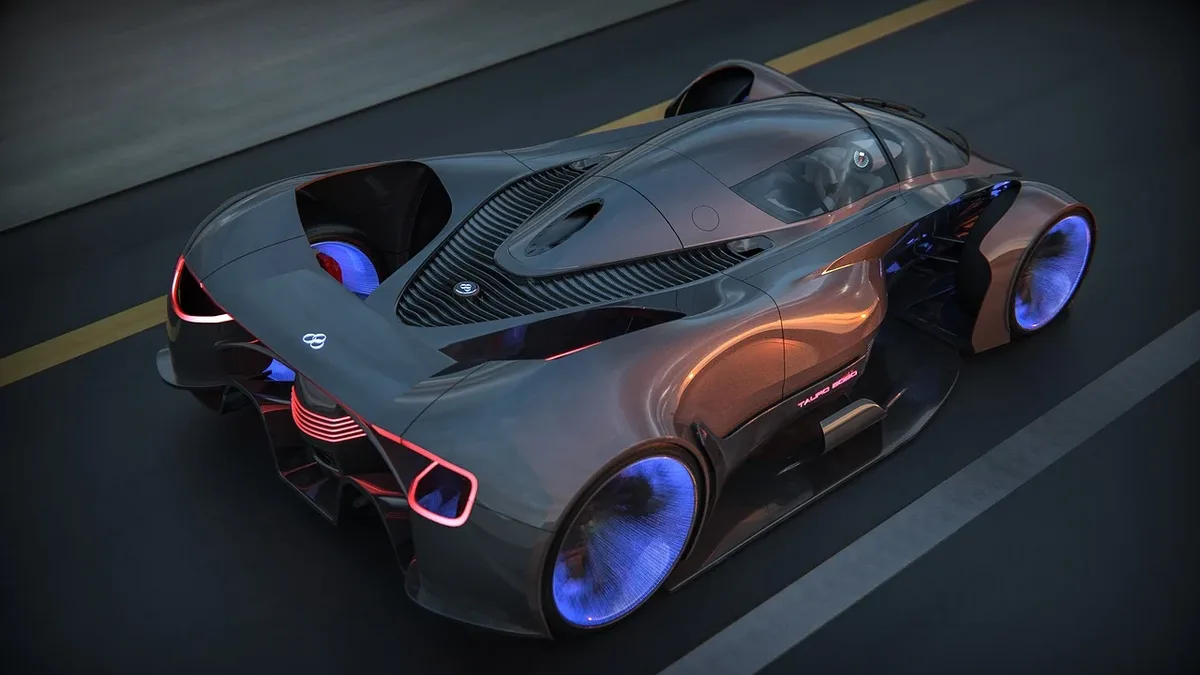
Jaguar Type 01 Electric GT Sets New Performance Benchmarks
Jaguar unveils the all-electric Type 01, a four-door GT sedan with 1,030PS and a 400-mile range, marking a pivotal shift in the marque's legacy with...
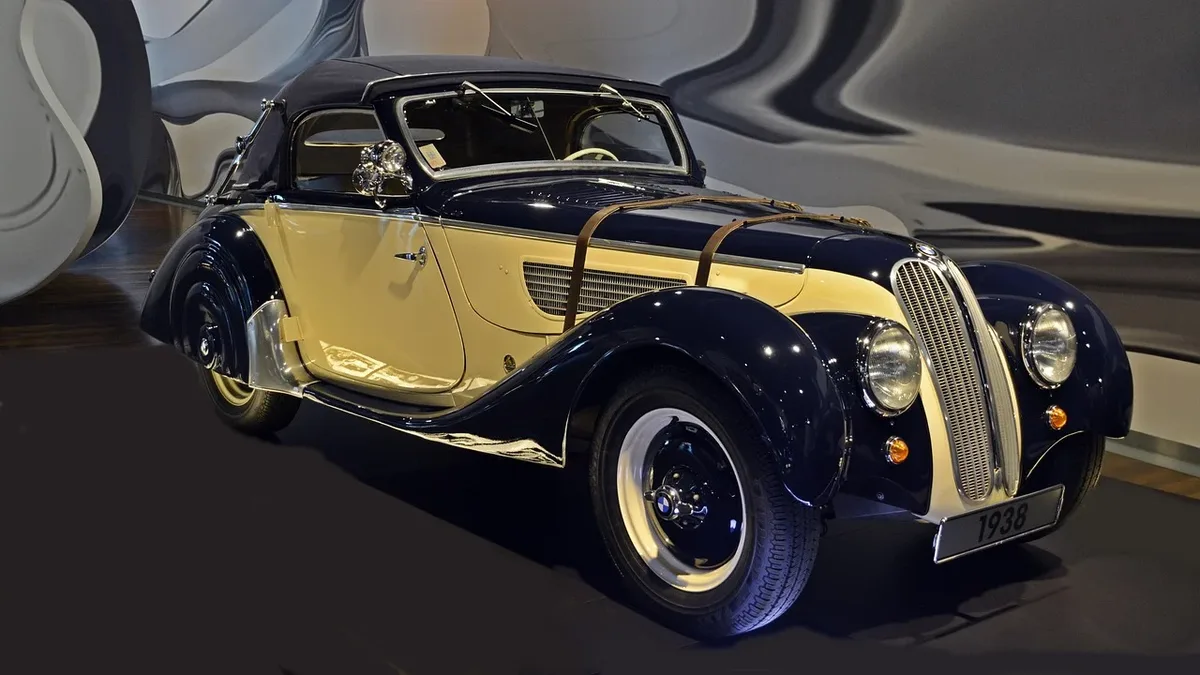
2001 Jaguar XK8 Convertible for $14,900
A 2001 Jaguar XK8 convertible with 48,500 miles is offered for sale in Pennsylvania for $14,900. The car features a 4.0-liter V-8 and is presented as...
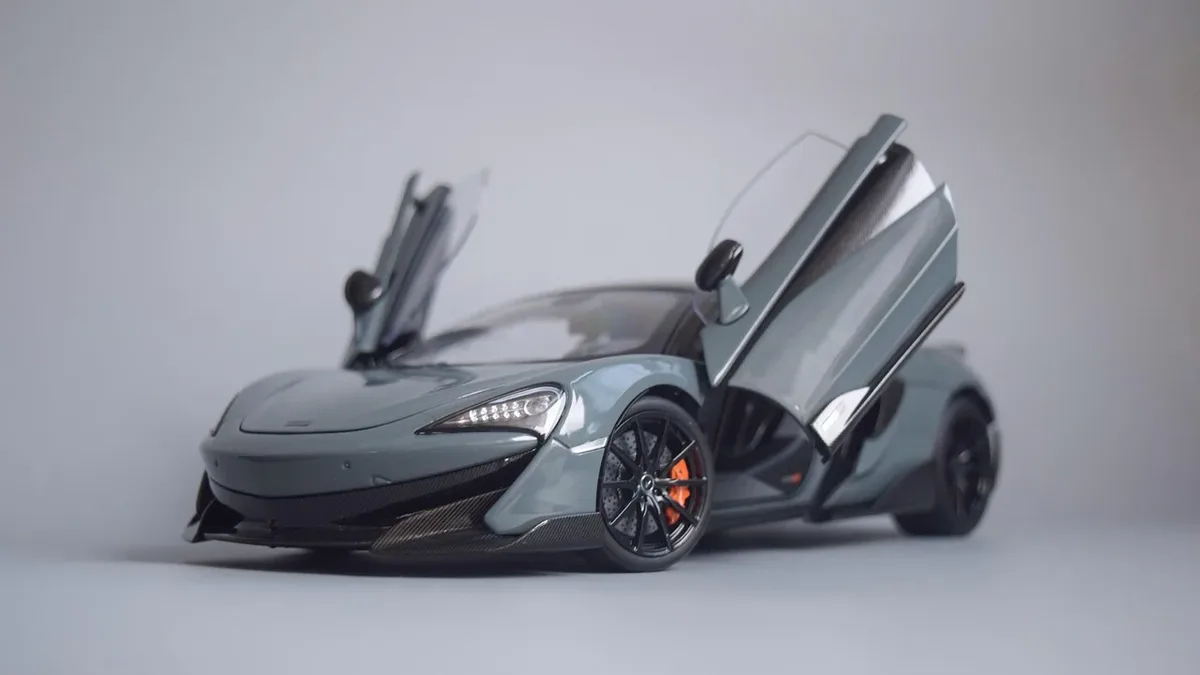
Hot Wheels x MoMA Jaguar E-Type Model
Mattel and MoMA have released a $45, 1:64 scale die-cast replica of the museum's 1963 Jaguar E-Type Roadster. The detailed model features a metal...
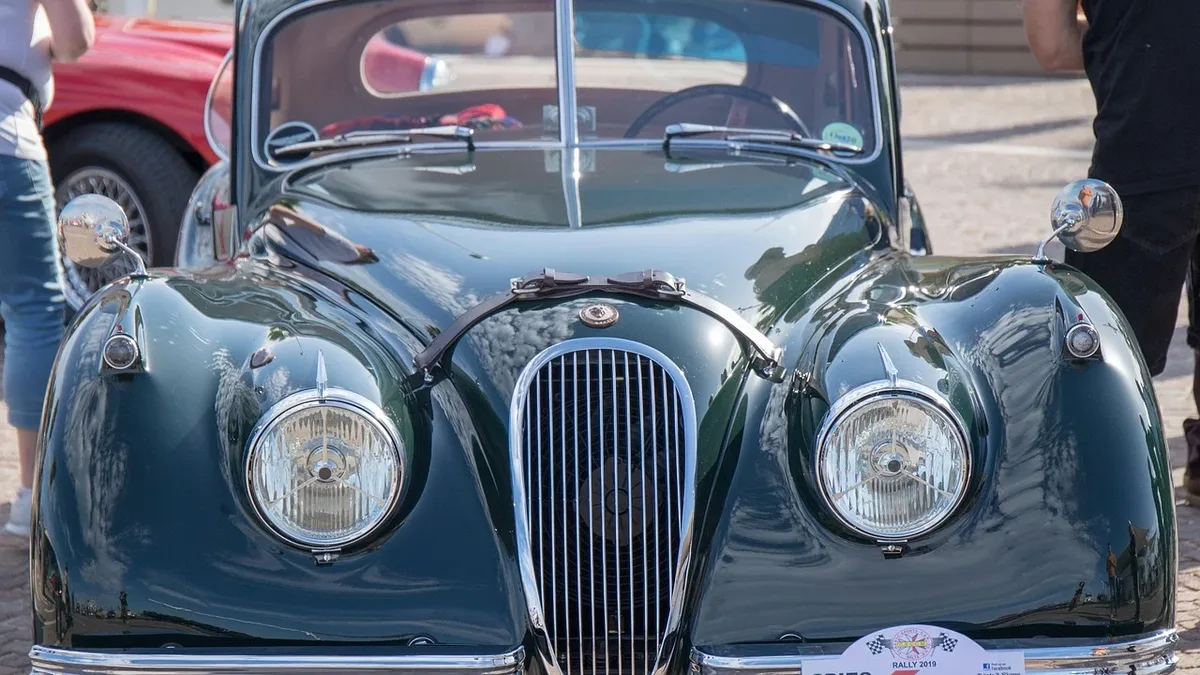
2007 Jaguar XKR Coupe Listed for $17,900
A 2007 Jaguar XKR coupe with 83,938 miles is offered for sale in California for $17,900. The supercharged British GT, designed by Ian Callum...