Chevrolet Opala
| Model | Chevrolet Opala |
|---|---|
| Country of origin | Brazil |
| First created | 1968 |
| Original use | Passenger car |
| Body style | Sedan, coupe, station wagon |
| Engine layout | Front-engine, rear-wheel drive |
| Engine type | Inline-four and inline-six gasoline engines |
Origin and history
The Chevrolet Opala is a Brazilian automobile developed and manufactured by General Motors do Brasil. Its origins are directly tied to the German Opel Rekord C, from which its fundamental body structure and mechanical layout were derived. The model was launched in the late 1960s, specifically in 1968, as a strategic product for the Brazilian market. It was engineered to withstand the specific conditions of Brazilian roads and fuel quality available at the time. The Opala filled a market segment between the popular but basic national compact cars and the expensive imported luxury vehicles. Its production run lasted for over two decades, ceasing in the early 1990s, which cemented its status as a classic within Brazilian automotive history.
What it is designed for
The Chevrolet Opala was designed primarily as a robust, mid-size family sedan and executive car for the Brazilian market. It was engineered to offer a higher level of comfort, space, and performance than the prevalent national compact cars like the Volkswagen Beetle and the Chevrolet Chevette. The design prioritized durability and ease of maintenance to cope with the often challenging road conditions and the tropical climate. It served as a suitable vehicle for both private family use and corporate fleets, offering a sense of prestige without the cost of a fully imported model. The car's design also accommodated the use of simpler, more durable carbureted engine technology compatible with the available fuel. Ultimately, it was conceived as a locally manufactured bridge between economy and luxury in a protected automotive market.
Development and versions
Development of the Chevrolet Opala involved significant adaptation of the Opel Rekord C platform to meet Brazilian industrial and regulatory requirements. The initial series, launched in 1968, featured a four-cylinder engine and was offered in two- and four-door sedan body styles, along with a station wagon variant called the Opala Caravan. A major development occurred in the mid-1970s with the introduction of a six-cylinder engine, which significantly boosted performance and refined the car's character. Throughout its life cycle, the Opala received several facelifts, including updated front and rear lighting assemblies, grilles, and interior trim. The final significant version was the Opala Diplomata, a more luxurious trim level introduced later in the model's production. Special performance versions were also developed, most notably the Opala SS, which featured the six-cylinder engine and sportier aesthetics.
Pros and cons
A primary pro of the Chevrolet Opala is its renowned mechanical robustness and straightforward engineering, which makes it relatively easy and inexpensive to repair and maintain compared to modern vehicles. The car offers a spacious interior and a comfortable ride quality, particularly in six-cylinder versions, which provide smooth power delivery. Its classic, clean design and historical significance in Brazil grant it considerable charm and collector appeal. A significant con is its poor fuel efficiency by modern standards, especially with the larger six-cylinder engines, making it an expensive daily driver. The vehicle's safety features are essentially nonexistent compared to contemporary cars, lacking airbags, modern crumple zones, and anti-lock brakes. Common regrets from owners often stem from rust issues in the bodywork, a typical problem for cars of its era, and the increasing difficulty and cost of sourcing certain specific replacement parts as the model ages.
Who it suits
The Chevrolet Opala suits the classic car enthusiast who appreciates Brazilian automotive history and enjoys hands-on maintenance, as some mechanical knowledge is beneficial. It is suitable for a collector seeking a culturally significant vehicle from the Brazilian market that is not as common on the global classic car scene. The model can suit a hobbyist looking for a relatively simple and robust platform for restoration or modification projects. It is less suited for someone seeking a reliable, economical, and safe primary vehicle for daily commuting in modern traffic conditions. The Opala may also appeal to those who participated in Brazilian touring car racing in the 1970s and 1980s, as it was a dominant model in that category. Ultimately, it is a car for a niche owner who values its historical character over modern convenience and efficiency.
Latest Chevrolet Opala news
Latest reporting
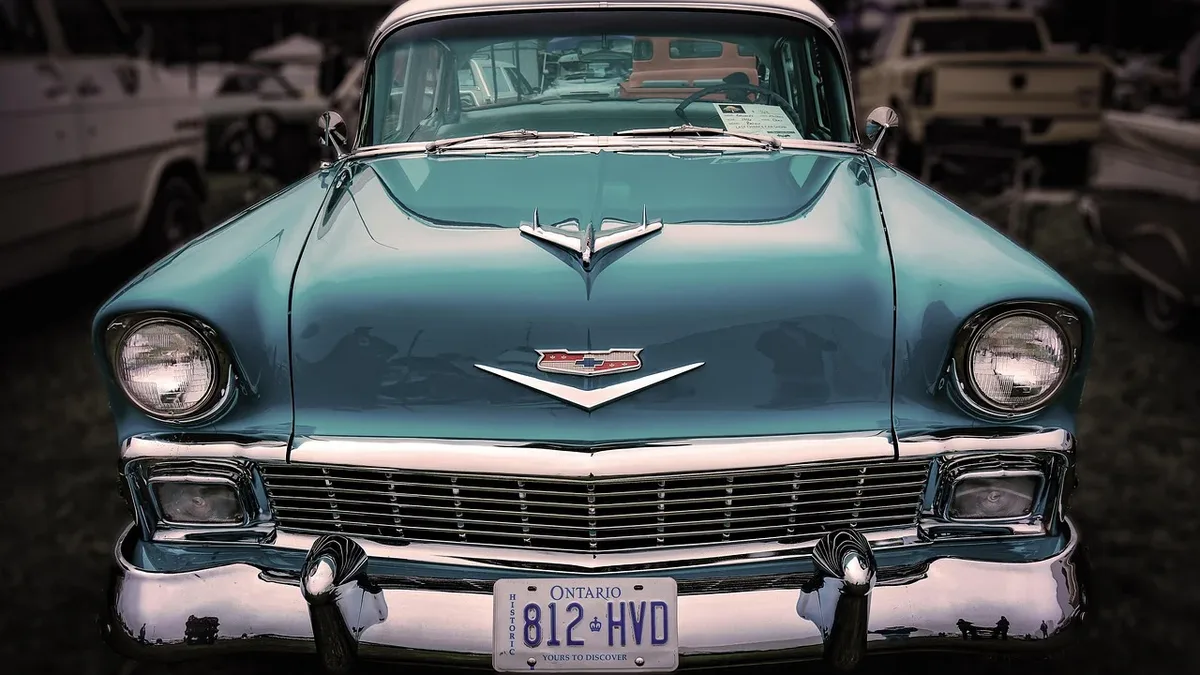
Custom Lotus Seven-Style Car with 409 V8 Heads to Auction
A one-off, street-legal clubman car blending Lotus Seven styling with circle-track racing hardware and a blueprinted 409 cubic inch Chevrolet V8 is...
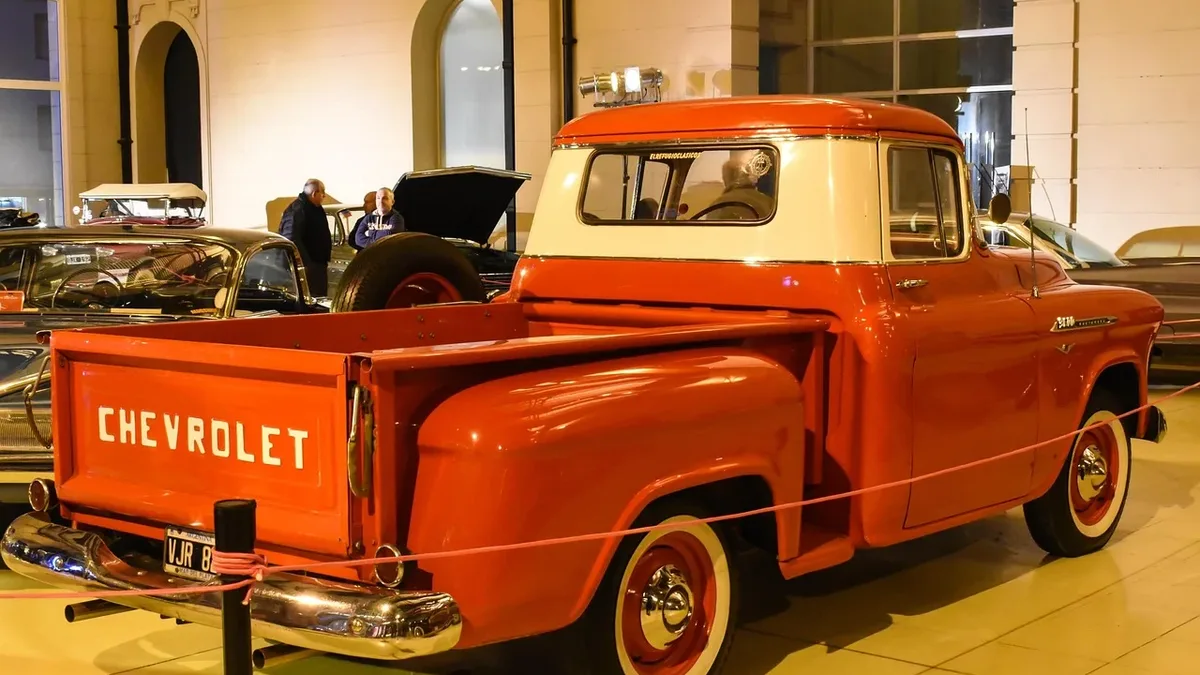
1968 Chevrolet C10 Rat Rod with 7.2L V8 Sells in UK
A heavily modified 1968 Chevrolet C10, transformed into a convertible rat rod with a 7.2-liter V8, has been sold in the United Kingdom.
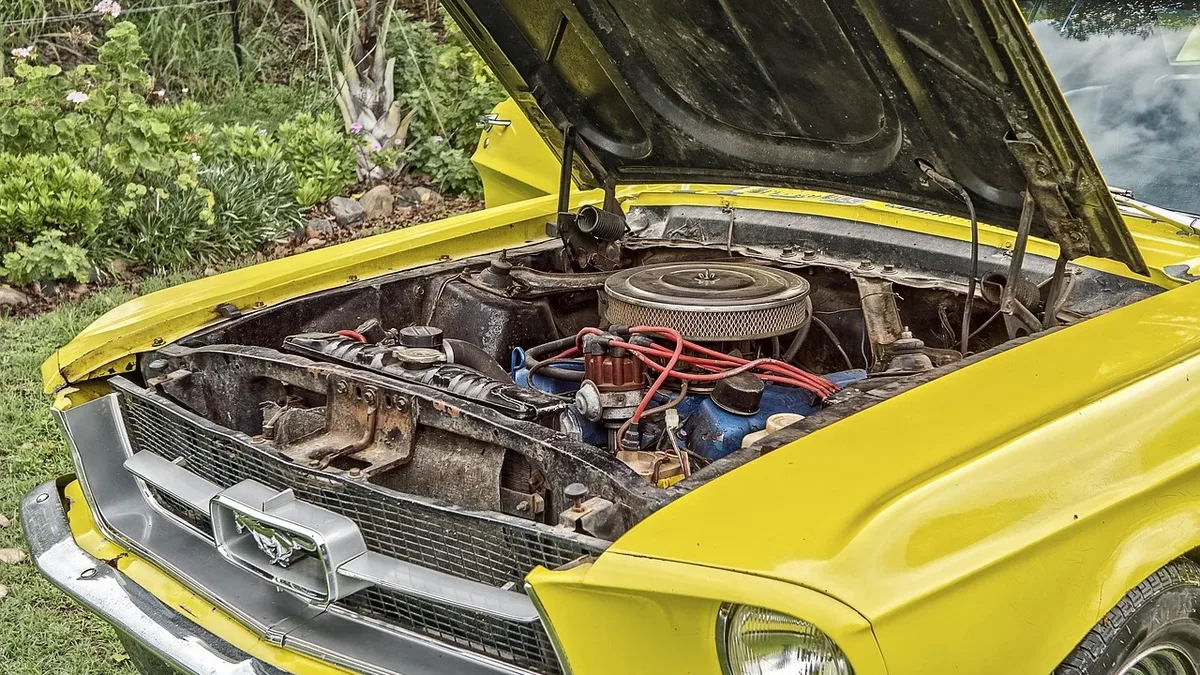
Ford Boss 302 Mustang Heads to Auction
A 1969 Ford Mustang Boss 302, one of 649 built in Bright Yellow, is being offered in an online auction. The car was Ford's homologated answer to the...
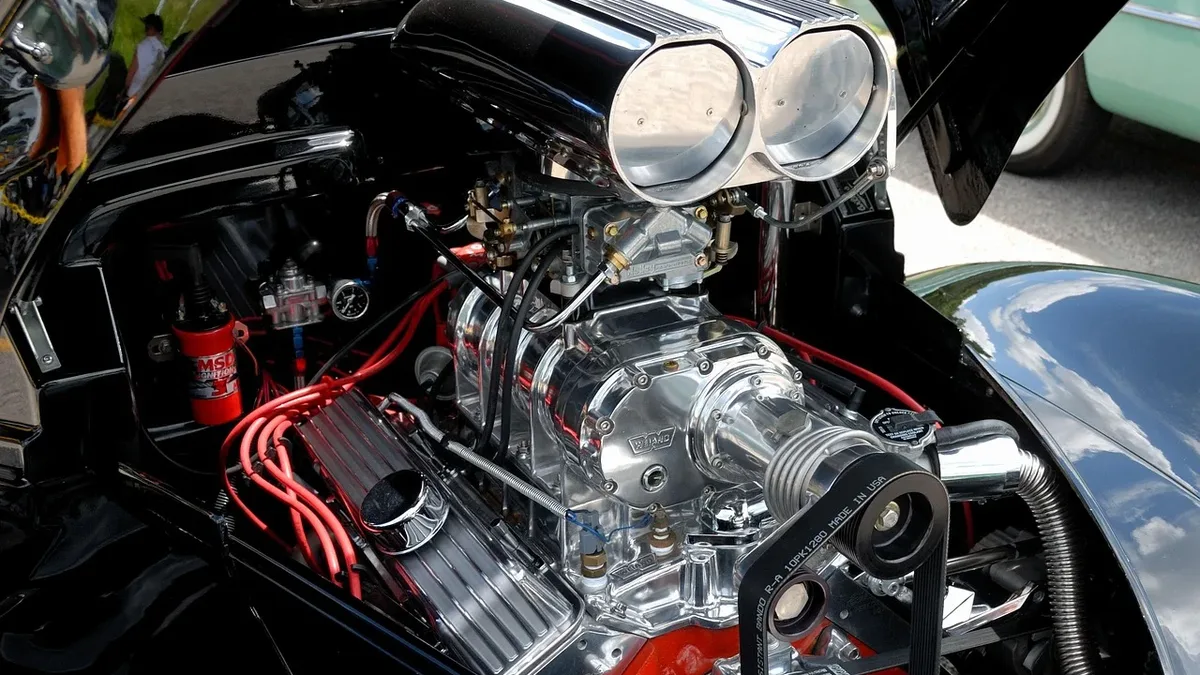
Toyota 2JZ Engine Powers 1971 Chevrolet El Camino
A 1971 Chevrolet El Camino for sale on Hagerty Marketplace features a heavily modified Toyota 2JZ-GTE engine instead of a traditional V8.
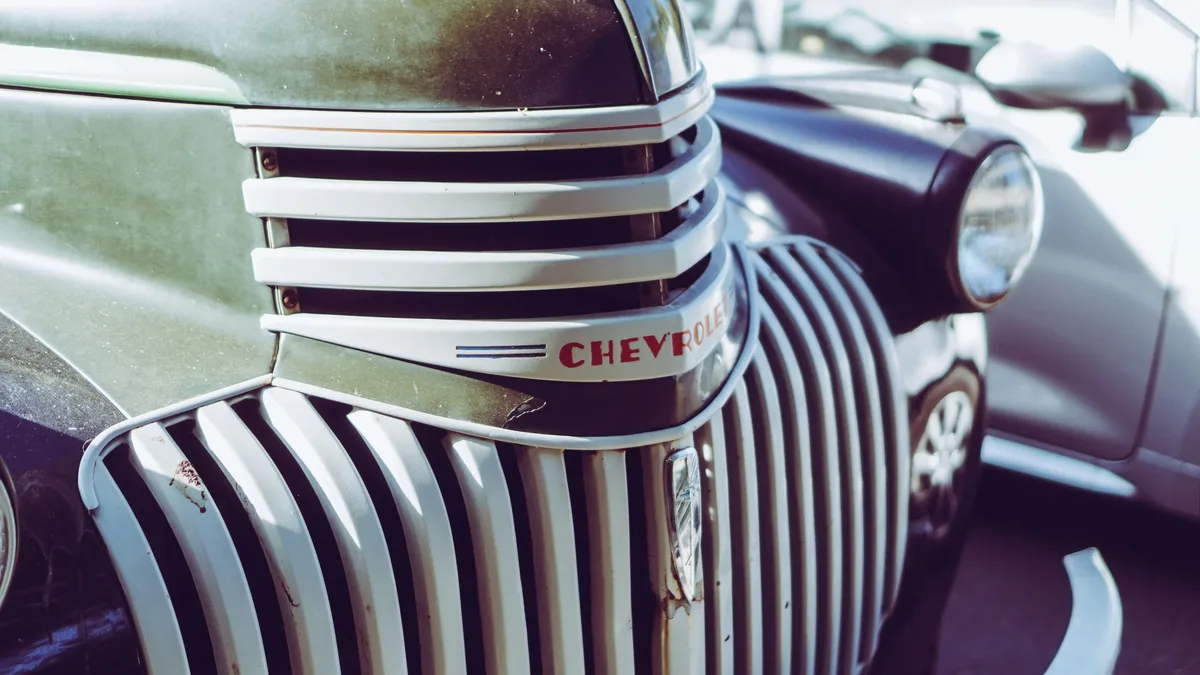
1972 Chevrolet El Camino for Sale
A rare 1972 Chevrolet El Camino built for South Africa is now for sale. It's a Holden ute with a 308 V8 that has undergone a custom restoration.
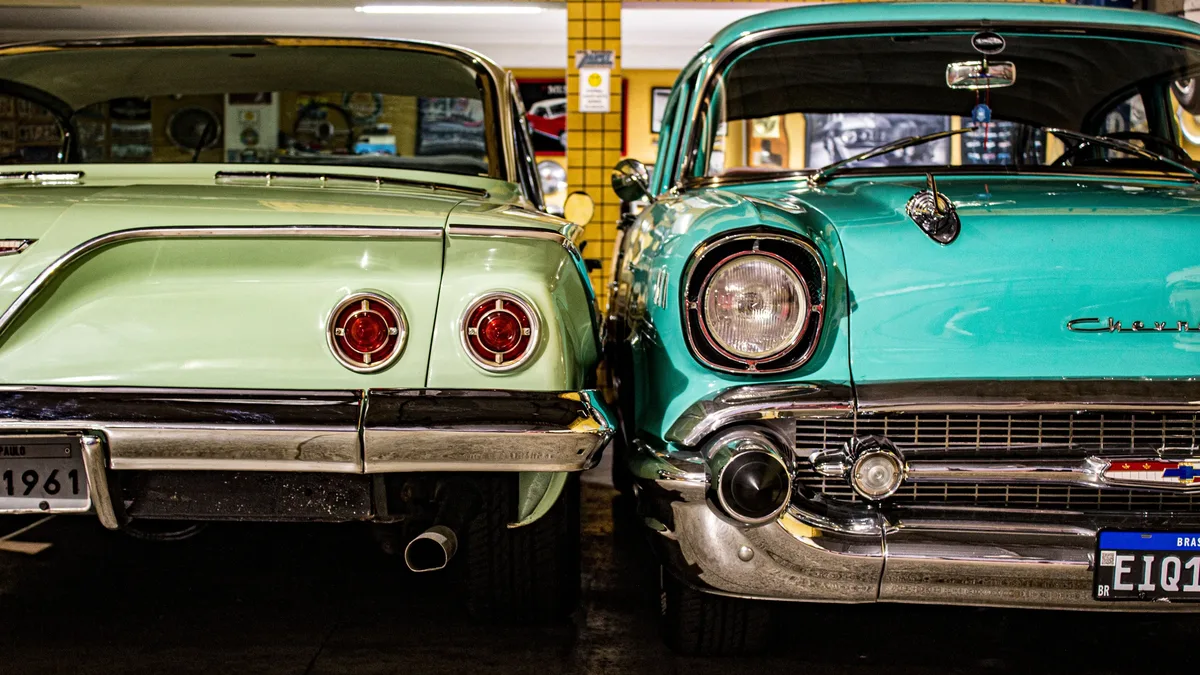
Modified 1966 Corvair Monza with Mid-Mounted V8
A no-reserve auction features a 1966 Chevrolet Corvair Monza with a mid-mounted 350ci V8 and a 4-speed manual transaxle.