Toyota
| Country of origin | Japan |
|---|---|
| First created | 1930s |
| Original use | Passenger cars and trucks |
| Typical price range | Wide range, from economy to luxury |
| Common powertrain | Internal combustion engine, hybrid electric |
| Typical reliability rating | High |
| Common body styles | Sedan, SUV, pickup truck, hatchback |
Origin and history
Toyota originates from Japan, with its foundational beginnings traced to the late 1920s and early 1930s. The company was established by Kiichiro Toyoda, evolving from his father's automatic loom manufacturing business. Its first passenger car prototype, the Model A1, was completed in the mid-1930s, leading to the production of the Toyota AA. The company's early focus was on developing vehicles suited to the Japanese market and manufacturing conditions. The disruption of World War II significantly impacted its operations, leading to a post-war restart and refinement of its production philosophy. This period set the stage for the development of the Toyota Production System, which would later become a global benchmark for manufacturing efficiency.
What it is designed for
Toyota vehicles are primarily designed for reliable, economical, and practical transportation across a wide range of global markets. The core design philosophy emphasizes durability, low cost of ownership, and functional utility over dramatic styling or peak performance. This results in vehicles engineered to withstand varied climates, road conditions, and long-term use with minimal unscheduled maintenance. The brand's lineup is structured to provide dependable mobility solutions, from compact city cars and family sedans to work-oriented trucks and SUVs. This pragmatic approach extends to a focus on fuel efficiency and, in recent decades, the mainstream adoption of hybrid electric powertrains. The overarching design goal is consistent, predictable operation throughout a vehicle's lifespan, prioritizing owner peace of mind.
Development and versions
Development at Toyota is characterized by iterative improvement and platform sharing across a vast model range. The company is known for a conservative approach to redesign, often refining proven mechanical components over multiple generations. A key development was the launch of the Corolla in the late 1960s, which became a globally successful compact car produced in numerous body styles. The introduction of the Prius in the late 1990s marked a major shift, pioneering the mainstream hybrid vehicle category and defining the brand's modern technological identity. Toyota typically develops global platforms (like TNGA) that underpin diverse models, from the Yaris hatchback to the Camry sedan and RAV4 SUV, ensuring parts commonality. The Land Cruiser and Hilux represent parallel development lines focused on extreme durability and off-road capability, cultivated over decades.
Pros and cons
A primary advantage is renowned mechanical reliability and strong resale value, stemming from conservative engineering and high build quality. Ownership costs are often lower due to good fuel economy, widespread parts availability, and the longevity of major components. The driving experience is typically tuned for comfort and predictability, though this results in a common critique of uninspiring handling and performance compared to rivals. Interior design and technology can lag behind competitors, often favoring function and durability over contemporary aesthetics or the latest infotainment. Some owners regret choosing a Toyota when seeking a vehicle with engaging dynamics, distinctive styling, or a premium interior ambiance. A frequent mistake is purchasing a base model expecting luxury features, or selecting a mainstream model like a Camry for purposes better served by a more specialized vehicle.
Who it suits
Toyota suits buyers whose primary criteria are transportation dependability, low total cost of ownership, and hassle-free daily operation. It is an ideal choice for individuals and families who prioritize practicality, safety, and resale value over driving excitement or brand prestige. The brand appeals to those who plan to keep a vehicle for many years or who drive high annual mileage, benefiting from the proven powertrain durability. Fleet operators, ride-share drivers, and small businesses often select Toyotas for their proven uptime and operational cost efficiency. It is also well-suited for buyers in regions with harsh environmental conditions or limited service networks, where the robustness of models like the Hilux is essential. Conversely, it is less suited for driving enthusiasts or those for whom a vehicle is primarily an emotional or stylistic statement.
Latest Toyota news
Latest reporting

Honda to Rebadge Mitsubishi Triton Pickup for U.S. by 2028
Honda plans to launch a body-on-frame, mid-size pickup in the U.S. market in 2028 through a partnership with Mitsubishi, offering a rebadged version...
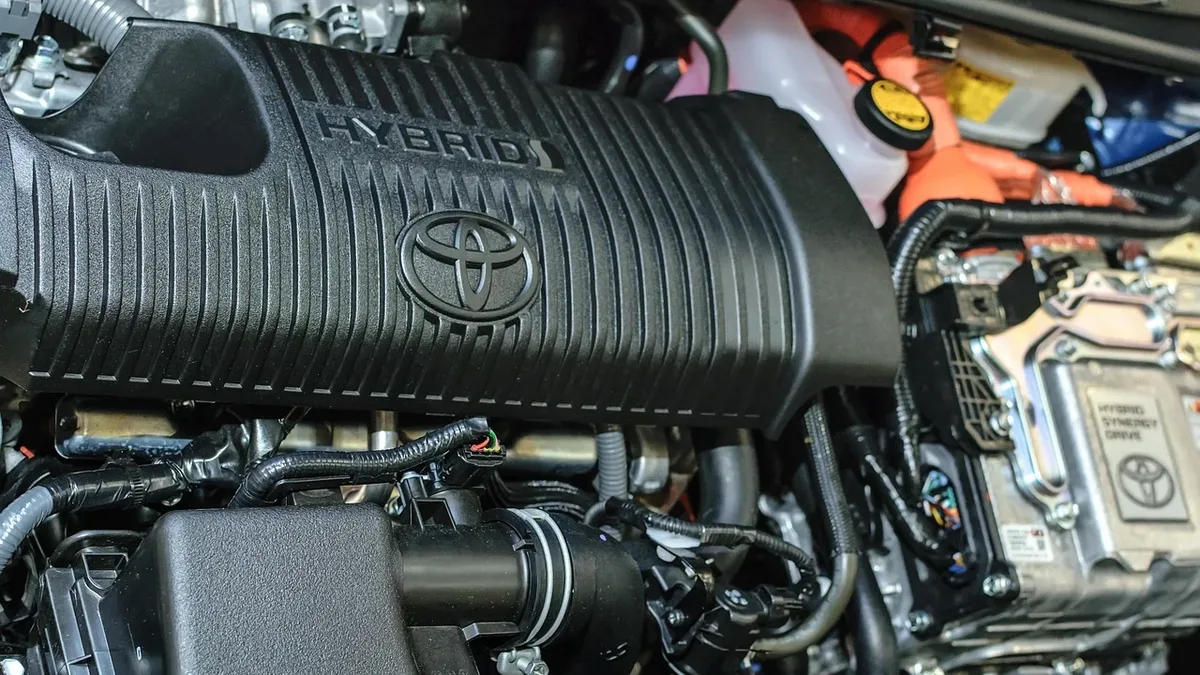
Toyota to Launch Extended-Range EVs in China by 2027
Toyota plans to introduce extended-range electric vehicles in China starting in 2027, targeting sales of 400,000 units annually.
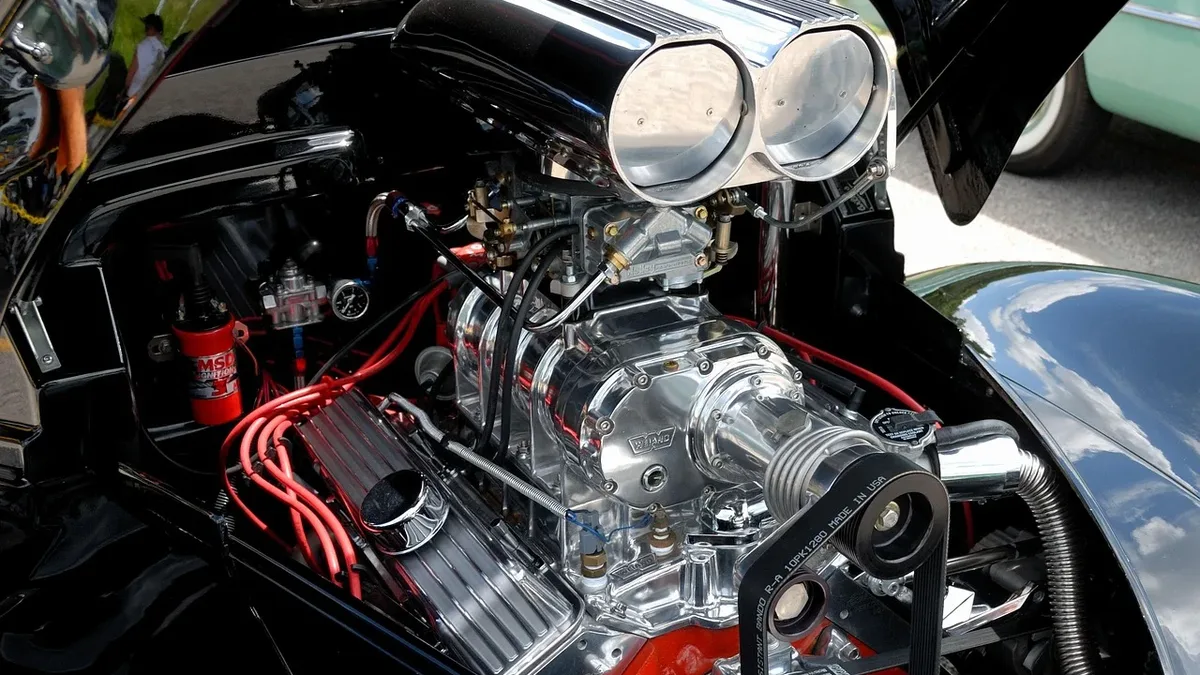
Toyota 2JZ Engine Powers 1971 Chevrolet El Camino
A 1971 Chevrolet El Camino for sale on Hagerty Marketplace features a heavily modified Toyota 2JZ-GTE engine instead of a traditional V8.

Toyota TRD 3000GT Outpaces Supra Sales
The 2026 Broad Arrow auction at The Quail in Carmel saw modern supercars dominate, with a 1994 Toyota TRD 3000GT selling for $582,500.