Ford Brazil
| Marque | Ford Brazil |
|---|---|
| Country of origin | Brazil |
| First created | 1919 |
| Original use | Vehicle assembly and manufacturing for the Brazilian market |
| Vehicle types produced | Passenger cars, light commercial vehicles, trucks |
| Status | Active manufacturer |
| Notable model families | Fiesta, Ka, EcoSport, Ranger, F-Series |
Origin and history
Ford Brazil is the subsidiary of the Ford Motor Company established to manufacture and sell vehicles in Brazil. The operation was founded in the early 20th century, with Ford's first direct investment in the country occurring in the 1910s. Initial activities involved the assembly of imported Model T vehicles from the United States using knock-down kits. The company established its first proper Brazilian manufacturing plant in São Paulo in the 1950s, marking a significant shift towards local production. Over the decades, Ford Brazil became a central pillar of the nation's automotive industry, developing vehicles specifically for the South American market. Its history is characterized by periods of major success and, ultimately, the cessation of manufacturing operations in the 21st century.
What it is designed for
Ford Brazil was designed to produce and adapt vehicles for the specific demands of the Brazilian market and broader South American region. A primary design focus was on durability and simplicity to withstand often challenging road conditions and varying fuel quality. Vehicles were engineered to accommodate the widespread use of ethanol (E100) fuel, a defining characteristic of the Brazilian automotive landscape. The product lineup often emphasized practicality, cargo capacity, and value for money to appeal to a cost-conscious consumer base. Many models were developed with high ground clearance and robust suspension to handle unpaved roads common in many areas. The design philosophy extended beyond mechanics to include styling and features tailored to local tastes, resulting in unique models not sold elsewhere.
Development and versions
Development at Ford Brazil frequently involved the adaptation of global Ford platforms, such as the Ford Fiesta, to create distinct regional models like the Ford Ka. A hallmark of its engineering was the creation of the "Project Amazonas" engines in the 1980s, specifically built for durability and ethanol compatibility. The company produced iconic models developed almost exclusively for the region, including the Ford Del Rey, the Ford Verona, and the Ford Pampa pickup. The Ford EcoSport, a compact SUV initially developed by Ford Brazil in the early 2000s, became a global success story for the company. Later developments included the Ford Fusion (a regional sedan unrelated to the North American model) and the final-generation Ford Fiesta, which was a global design but heavily localized. The development cycle concluded with the Troller T4 off-road vehicle, which Ford Brazil acquired and marketed until the end of its manufacturing presence.
Pros and cons
A significant pro of a Ford Brazil vehicle is its proven mechanical simplicity and ruggedness, making many models durable and relatively easy to repair with widely available parts. The dedicated ethanol engine technology is highly efficient and reliable within its intended market, offering lower fuel costs when using E100. Conversely, a common con is that interior materials and overall fit-and-finish often lagged behind equivalent European or North American Ford models, as cost-cutting was a priority. Owners frequently report issues with electrical components, such as window regulators and central locking systems, which are a typical failure point over time. The resale value of many models, except for iconic or utility vehicles like the Pampa or Troller, can be poor compared to some competitors, impacting total cost of ownership. A genuine regret for some buyers is the lack of refinement in ride and noise insulation, making longer highway journeys less comfortable than in more globally-oriented vehicles.
Who it suits
A Ford Brazil vehicle suits a buyer seeking a straightforward, no-frills car for daily use in urban or rural settings where maintenance networks are familiar with the models. It is particularly suited to drivers in Brazil or neighboring countries who want to leverage the widespread availability of ethanol fuel and the mechanical expertise for these specific engines. These cars are a practical match for individuals or small businesses needing a durable workhorse, such as the older Ford Courier or later Ranger pickups, for light commercial duties. They suit enthusiasts of unique automotive history who appreciate the distinct character and specifications of Latin American market vehicles. However, they are less suited to buyers prioritizing advanced technology, premium interior comfort, or high-performance driving dynamics. They are also a poor fit for owners outside South America, where parts support and mechanic knowledge for these regional models can be virtually nonexistent.
Latest Ford Brazil news
Latest reporting
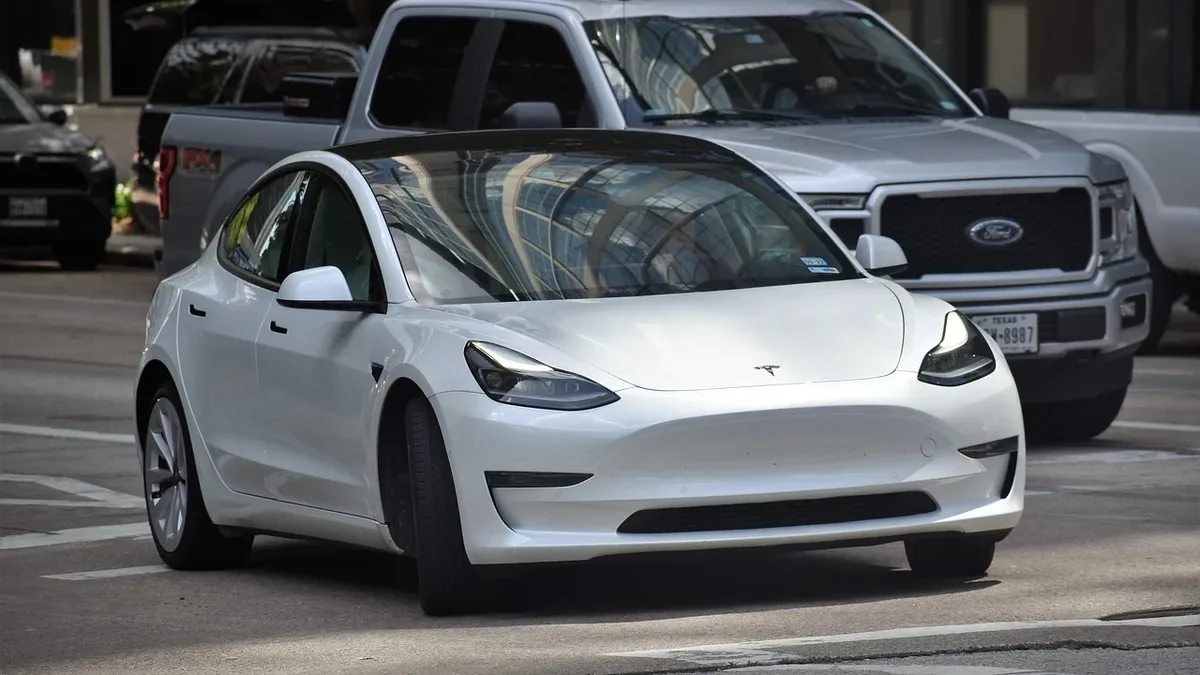
Ford Recalls 2023-2026 F-150 Trucks Over Fuel Tank Strap Defect
Ford has initiated a safety recall for F-150 trucks from model years 2023 to 2026 due to improperly installed fuel tank straps that could detach...

Honda to Rebadge Mitsubishi Triton Pickup for U.S. by 2028
Honda plans to launch a body-on-frame, mid-size pickup in the U.S. market in 2028 through a partnership with Mitsubishi, offering a rebadged version...
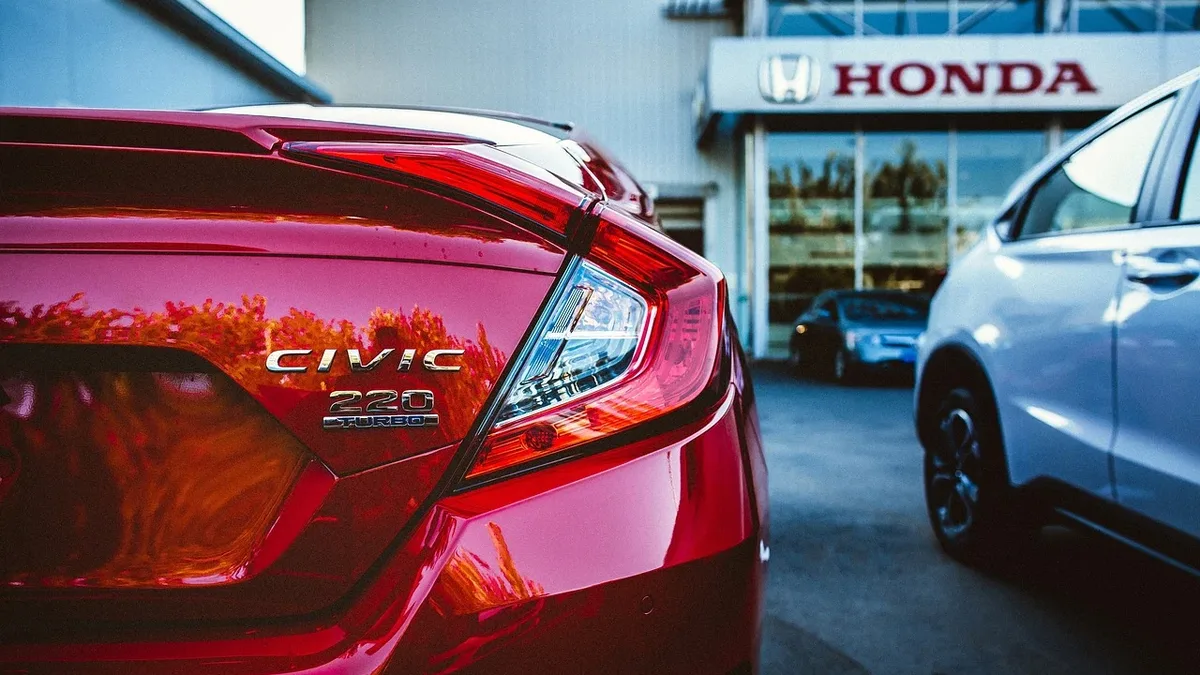
Honda City 2027 Brazil launch with visual updates and RS hatch
Honda has launched the 2027 model year City in Brazil, featuring a sportier design with full-LED lights and a new RS hatch variant.

1971 Saab Sonett III Offered After Full Restoration
A fully restored 1971 Saab Sonett III sports coupe is for sale. The car features a 1.7-liter Ford V4 engine and a 4-speed manual transmission.
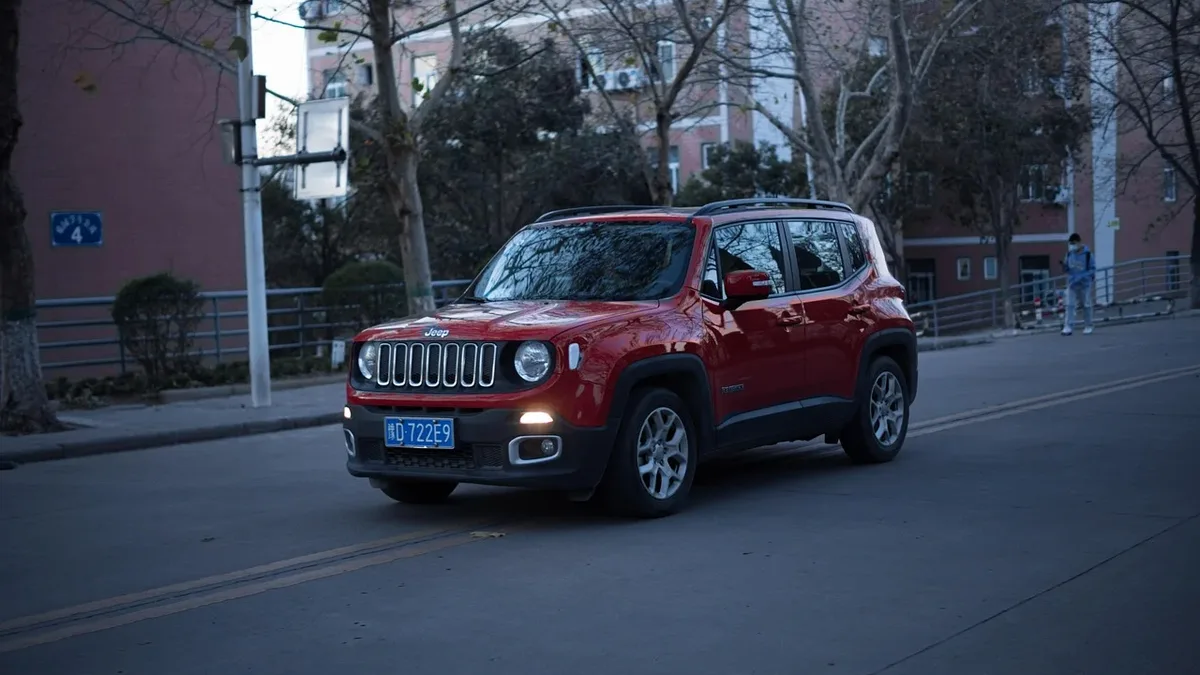
Jeep Cuts Prices Up to R$48,800 on Brazilian SUVs
Jeep has launched a new sales campaign in Brazil, offering substantial cash discounts on the entry-level versions of its Renegade, Compass, and...

1966 Simplify Travel Home Motorhome Listed for Sale
A rare 1966 Simplify Travel Home, an aluminum-bodied RV, is for sale. The 30-foot motorhome is powered by a Ford 428 V8 and retains a largely...