1943 Studebaker T-24 Weasel Amphibious Vehicle Offered
A 1943 Studebaker T-24 Weasel, an amphibious tracked military vehicle from WWII, is now available for purchase.
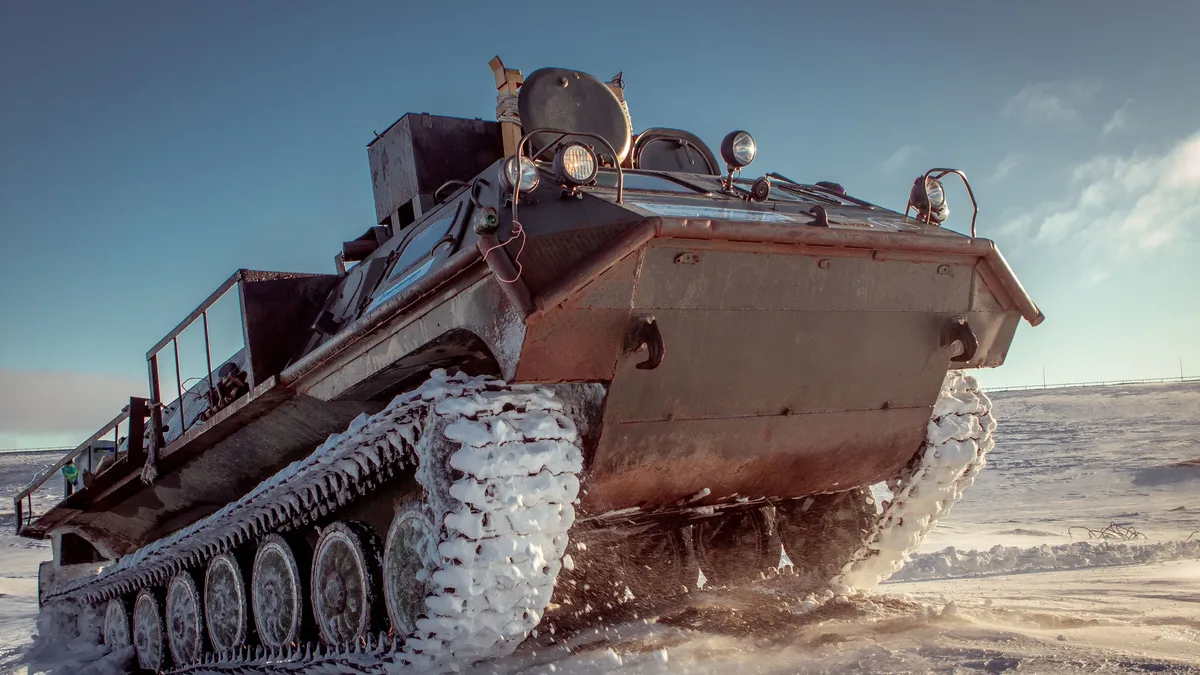
A 1943 Studebaker T-24 Weasel, a small amphibious tracked vehicle from the Second World War, is now being offered for sale. According to the seller, this specific example is believed to be vehicle number 244 out of approximately 1,000 T-24 models built before the designation changed to M29.
The vehicle was designed for a British commando raid into Norway, a mission codenamed Project Plough that was later cancelled. British inventor Geoffrey Pyke conceived the original plan, which was presented to Allied leadership in April 1942. Studebaker agreed to design and build a suitable vehicle within six months, an exceptionally fast timeline.
From Prototype to Production
Early T-15 prototypes were tested but fell short of specifications, with a top speed of only 15 mph. Despite this, a limited production run of 766 T-15s was ordered. The improved T-24 model, which became known as the Weasel, reversed the engine layout to solve climbing problems and featured a redesigned suspension.
Power came from a Studebaker Champion inline-six engine, producing 75 horsepower. The vehicle's specifications were notably improved over the prototype.
| Specification | T-24 Weasel Figure |
|---|---|
| Engine | Studebaker 6-170 Champion, 169.6 cu in (2.8L) |
| Power | 75 bhp at 3,800 rpm |
| Top Speed | 36 mph |
| Fuel Capacity | 35 gallons |
| Cruising Range | 175 miles |
| Dry Weight | 3,800 lbs |
| Length | 10 feet 6 inches |
| Height (to body) | 4 feet 3 inches |
Wartime Service and Variants
The Weasel proved to be a versatile machine, serving in diverse theaters from the Aleutians and Normandy to Iwo Jima and Okinawa. It hauled ammunition, evacuated casualties, and was used for mine clearance and signals work. A U.S. Marine Corps report from April 1945 called it "of inestimable value on land."
Several variants were produced. The standard M29 could float, albeit with very little freeboard. The M29C Water Weasel was a more dedicated amphibious version with sealed hulls and added buoyancy. Total production of the T-24/M29 series reached 15,123 units by war's end.
Post-War Use and the Vehicle for Sale
After WWII, Weasels saw continued service in Korea, with French forces in Indochina, and in various Antarctic expeditions. Some were reportedly still operational at a French research station as late as 1993.
The vehicle currently for sale was refurbished under a previous owner and was acquired by the current seller in 2021. It is finished in an olive drab paint scheme, consistent with its military heritage. The hull and mechanical components have been addressed in the refurbishment process, preparing the unique amphibious vehicle for its next chapter.