Chassis, Vin And Engine Number Verification
| Chassis number location | Varies by model and year |
|---|---|
| VIN decoding | Manufacturer, model year, plant, sequential number |
| Engine number location | Varies, often on engine block |
| Primary verification purpose | Authenticity and provenance check |
| Common verification sources | Manufacturer archives, marque registries |
| Typical data matched | Build date, original specification, factory options |
| Verification complexity | Varies from simple to highly involved |
Origin and history
The practice of Chassis, Vin and Engine Number Verification originated in the automotive industry of North America and Europe during the mid-20th century. Its development was driven by the need for standardized vehicle identification as car production and ownership expanded globally. The Vehicle Identification Number (VIN) system, a core component, was formally standardized in the United States in the 1980s, though manufacturer-specific chassis and engine numbers predate this by decades. This verification process evolved from simple manufacturer record-keeping into a critical tool for law enforcement, insurers, and the collector car market. Its formalization coincided with the rise of computerized databases, which allowed for the systematic tracking of vehicle histories. The discipline is now a foundational aspect of automotive forensics and provenance research worldwide.
What it is designed for
Chassis, Vin and Engine Number Verification is designed to establish and confirm the unique identity of a motor vehicle. Its primary purpose is to combat fraud, including theft, cloning, and the sale of stolen or rebuilt vehicles with false identities. The process is engineered to match physical components to official factory records, ensuring that the vehicle presented is the one that left the assembly line. It serves as the definitive method for authenticating a vehicle's provenance, which is paramount for historical accuracy and valuation, especially for collector cars. This verification acts as a gatekeeper for legal registration, insurance underwriting, and transfer of ownership. Ultimately, it provides a factual basis for assessing a vehicle's integrity, history, and market value.
Development and versions
Early vehicle identification relied on simple, sequential engine and chassis numbers stamped directly onto components by manufacturers, with no universal standard. The development of the 17-character VIN in 1981 established a consistent format for all road vehicles sold in the United States, encoding details like manufacturer, model year, and plant location. Other regions, such as Europe, developed their own standards, though many have since aligned with broader international formats. Modern verification now must account for these differing historical and regional numbering schemes, from pre-war coachbuilder plates to post-1981 standardized VINs. The process has expanded from visual inspection to include electronic VIN decoding, cross-referencing with international stolen vehicle databases, and forensic analysis of stamping techniques. Specialist services have emerged that maintain archives of factory production records for specific marques, providing the ultimate reference for verification.
Overview
Chassis, Vin and Engine Number Verification is a forensic examination process applied to a physical vehicle. It involves locating all identification numbers stamped or attached to the vehicle's chassis, engine block, and other major components. These numbers are then meticulously cleaned, photographed, and compared against each other for consistency. The VIN, typically found on a dashboard plate and stamped into the chassis, is decoded to reveal its built specifications. The examiner then cross-references these numbers with available factory build sheets, shipping records, or historical archives. Any discrepancy, such as a non-matching engine number, an altered stamp, or a VIN that decodes to a different model year, indicates a problem that requires further investigation and explanation.
What to know
A professional verification should be considered an essential due diligence step for any significant vehicle purchase, particularly for collector cars. The absence of matching numbers, where key components do not align with factory records, typically results in a substantial devaluation compared to a "numbers-matching" example. Verification can reveal a vehicle's true identity, uncovering previous accident damage, theft, or identity cloning where a VIN from a legally registered car is applied to a stolen one. It is crucial to understand that a clean title document does not guarantee the vehicle's physical identity is correct, as title washing and fraud can occur. The process often requires specialist knowledge, as stamping fonts, locations, and techniques varied significantly between manufacturers and eras. Budget for a professional inspection by a marque expert or a dedicated verification service, as their access to proprietary databases is invaluable.
Common questions
What is the difference between a chassis number and a VIN? A chassis number is the manufacturer's unique serial number for the vehicle's frame, while a VIN is a standardized system that incorporates the chassis number and adds codes for attributes like model year and engine type. Does a non-matching engine make a car worthless? No, but it significantly affects value and desirability in the collector market, often placing it in a "driver" category rather than a top-tier investment. Can a car with a replaced chassis or engine be verified? Yes, but it will be documented as a "re-body" or with a non-original engine, which must be disclosed; its history, not its originality, is being verified. How can I check a VIN myself? Basic decoding is possible online, but confirming its authenticity against physical stamps and factory records requires professional expertise. What if the VIN plate looks tampered with? This is a major red flag requiring forensic examination; a disturbed plate often indicates identity fraud. Are there global databases for verification? No single universal database exists; verification relies on a patchwork of manufacturer archives, national motor vehicle agencies, and private historical collections.
Pros and cons
The primary pro is that it provides an objective, factual basis for establishing a vehicle's identity and provenance, which is the cornerstone of its value and legality. A successful verification grants the owner confidence and a defensible market position. The con is that the process is often complex, expensive, and can deliver unwelcome news, revealing a vehicle to be less authentic than presented. A common mistake is accepting a verification report from a seller-affiliated party instead of an independent, credentialed expert. Many who regret skipping verification discover costly issues later, such as a cloned VIN leading to seizure by authorities or a non-matching engine drastically reducing resale value. The process can also be inconclusive if factory records are lost, leaving ambiguity that permanently clouds the vehicle's history.
Who it suits
This verification process is essential for serious collectors, investors, and concours d'elegance participants for whom provenance and originality directly translate to financial worth. It suits any buyer of a vintage, classic, or high-value modern vehicle where the asking price is premised on originality and a clean history. Museums and historical institutions require it to authenticate exhibits for accuracy and insurance purposes. It is also crucial for legal and insurance professionals involved in vehicle title disputes, theft recovery, or fraud cases. Finally, it suits the conscientious private buyer who seeks transparency and wants to ensure they are purchasing a legally sound asset without hidden liabilities, regardless of the car's market tier.
Latest Chassis, Vin And Engine Number Verification news
Latest reporting
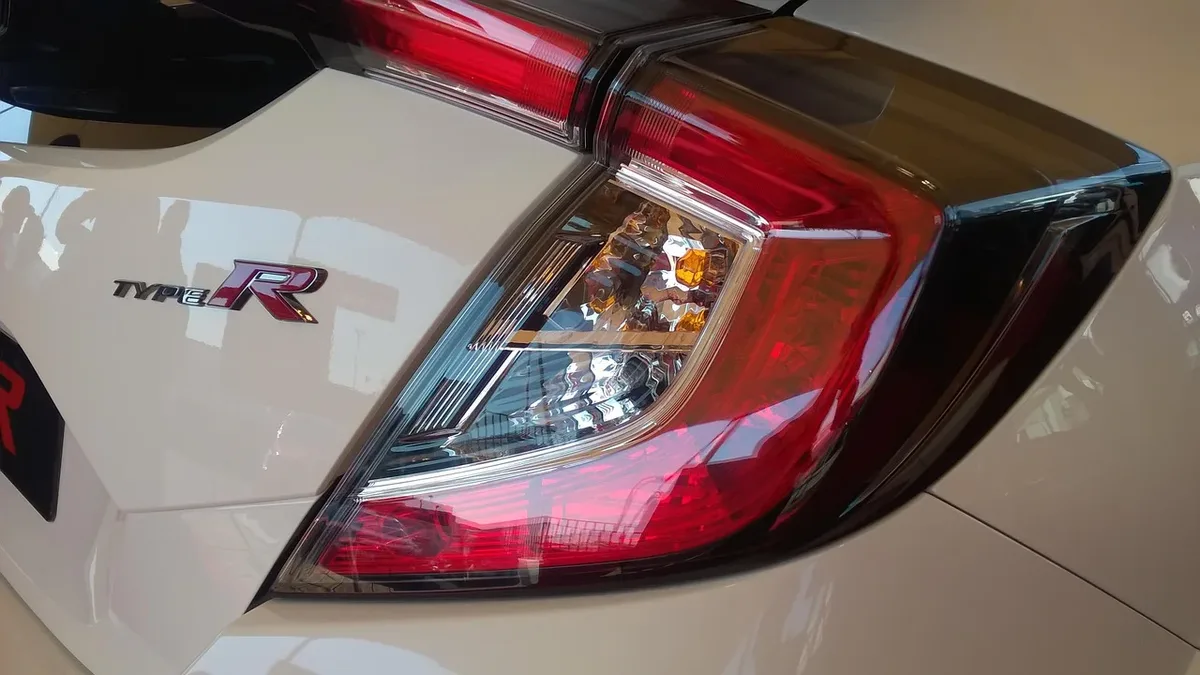
2027 Honda Civic Type R update marks 30 years of the Type R badge
Honda has unveiled the updated 2027 Civic Type R, celebrating 30 years of the Type R badge with aerodynamic, interior, and chassis refinements.
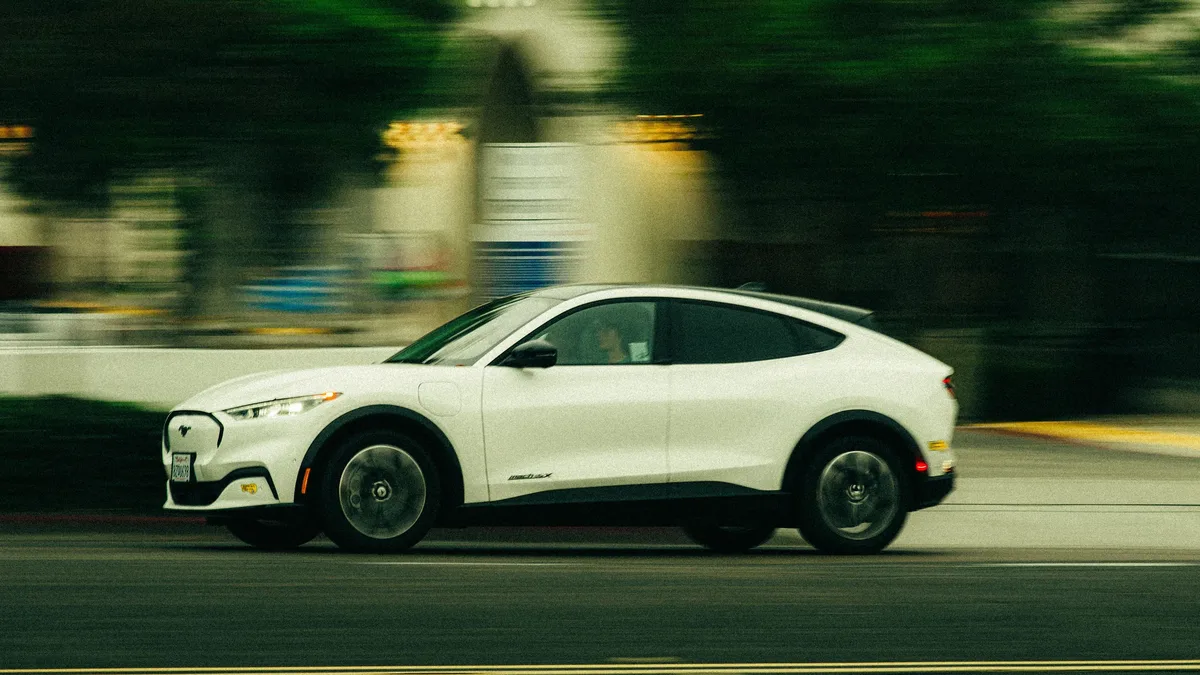
Electric vehicle tuning mirrors classic engine tuning
Automotive preparer Ricardinho ACF has demonstrated that electric drivetrains can be tuned for more power and torque.
1971 Saab Sonett III Offered After Full Restoration
A fully restored 1971 Saab Sonett III sports coupe is for sale. The car features a 1.7-liter Ford V4 engine and a 4-speed manual transmission.
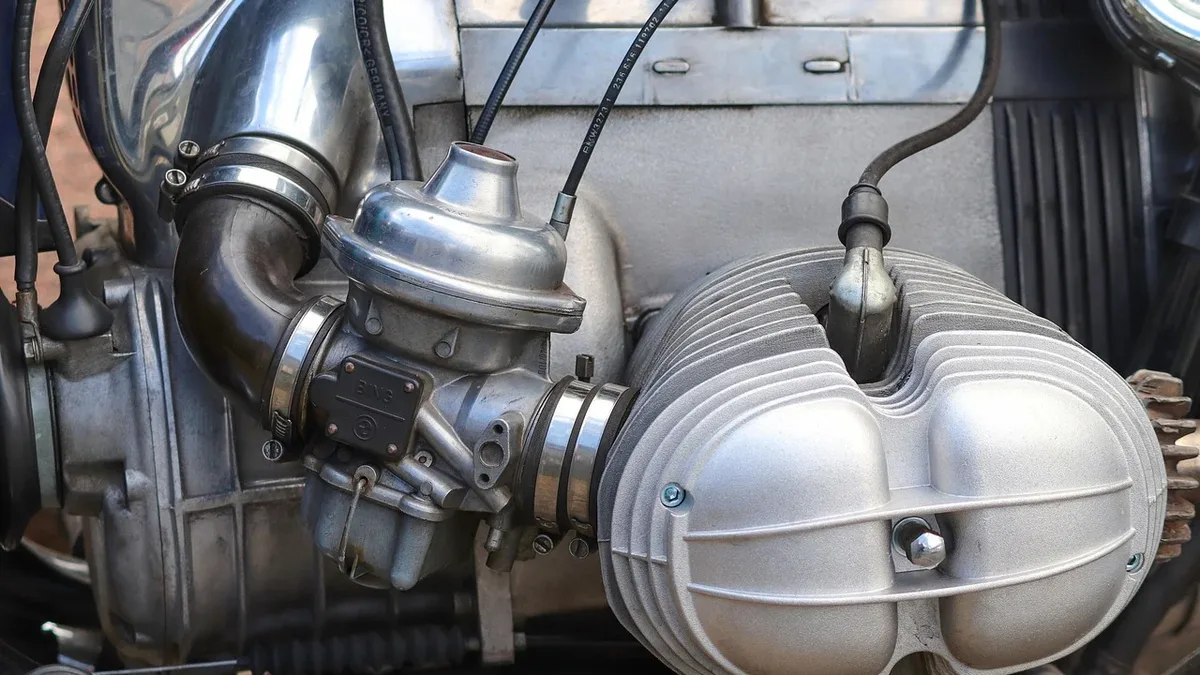
Hot Rod Ferrari Colombo V12 Engine Listed for Sale
A rebuilt 1963 Ferrari 250 GTE Colombo V12 engine, modified for higher performance by Dark Horse Motors, is now for sale in California.
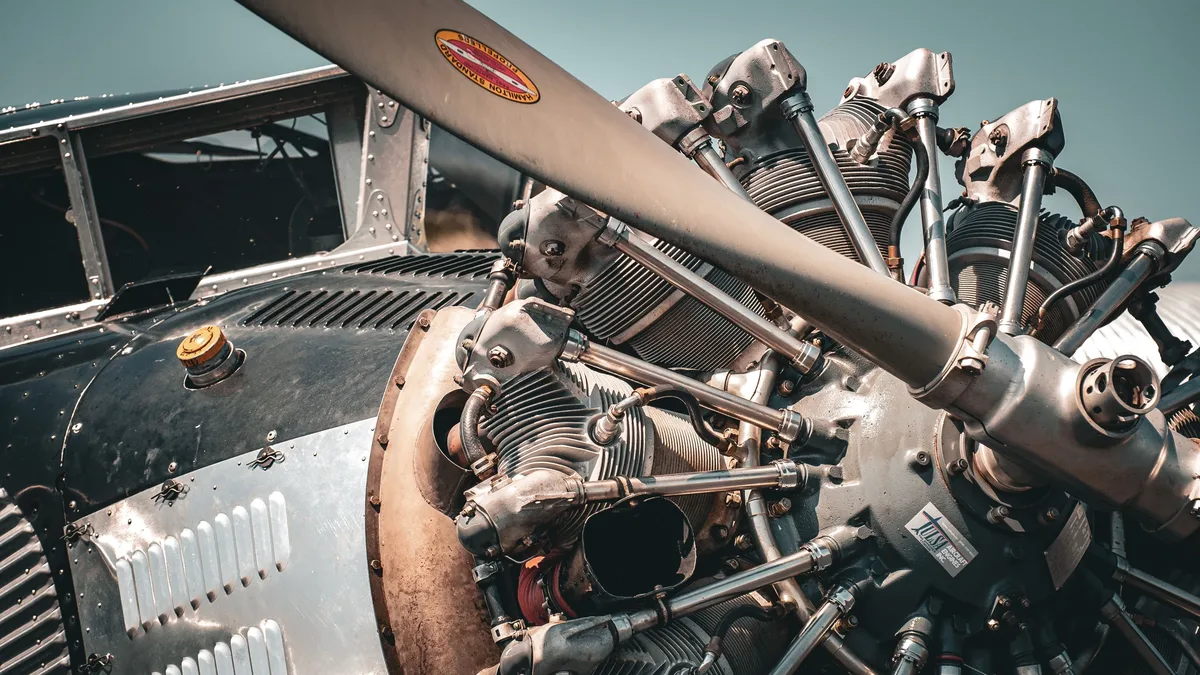
Allison V-1710 V12 Aircraft Engine Listed for Sale
A rebuilt, zero-hour Allison V-1710-35 V12 aircraft engine, capable of 1,150 horsepower, is being offered for sale on eBay for $49,500.

1969 Mustang Boss 429 Heads to Mecum Auction
A matching-numbers 1969 Ford Mustang Boss 429, one of 859 built that year, is set for auction. The car, restored in 2018, retains its original 375...