Chevrolet Brazil
| Country of origin | Brazil |
|---|---|
| First created | 1960s |
| Original use | Affordable family and commercial vehicles |
| Typical body styles | Sedan, pickup truck, station wagon |
| Engine configuration | Front-engine, rear-wheel drive |
| Notable models | Opala, Chevette, Monza, C-10 pickup |
Origin and history
Chevrolet's operations in Brazil originate from the American General Motors brand establishing a manufacturing presence in the South American country. The subsidiary, Chevrolet Brasil, was formally founded in the 1920s, beginning with the assembly of imported vehicles and components. Local manufacturing operations expanded significantly in the following decades, aligning with Brazil's national industrialization policies. The brand became deeply integrated into the Brazilian automotive market, developing vehicles specifically for local conditions and consumer preferences. Throughout the latter half of the 20th century, Chevrolet Brasil evolved into one of the country's dominant automotive manufacturers. Its historical model lineup reflects a blend of adapted global General Motors platforms and unique, Brazil-specific designs.
What it is designed for
Chevrolet Brasil vehicles are primarily designed for the practical demands and economic realities of the Brazilian personal transportation market. They are engineered to withstand variable road conditions, including urban congestion and less-maintained rural routes, with a focus on durability. A core design priority is cost-effective ownership, encompassing initial purchase price, fuel efficiency, and maintenance accessibility. Many models are developed with a high degree of local content to meet regulatory requirements and to control production costs. The vehicles often emphasize interior space and cargo utility to serve as primary family transport. The design philosophy consistently prioritizes straightforward mechanical simplicity and repairability over technological sophistication.
Development and versions
Development by Chevrolet Brasil has frequently involved the adaptation of global General Motors architectures, such as the Opel-derived platforms of the 1990s, modified for local fuels and roads. The brand is noted for creating long-running model families that see multiple generations and extensive facelifts over decades, like the Opala and the Celta. Specific versions are often developed to comply with Brazil's distinct automotive regulations, including flex-fuel engine technology that can run on any blend of gasoline and ethanol. Commercial vehicle versions, such as pickup trucks and vans, are developed in parallel with passenger cars, sharing powertrains and components. Special editions and regional trim levels are common, responding to local market trends and competition. The development cycle has historically been extended, with models remaining in production for longer periods than in many global markets.
Pros and cons
A significant pro is proven mechanical robustness, with many models known for enduring high mileage when maintained with widely available, affordable parts. The extensive dealer and independent repair network across Brazil ensures service accessibility and lowers long-term ownership costs. The widespread adoption of flex-fuel technology provides owners with fuel choice flexibility based on price fluctuations between gasoline and ethanol. A common con is that interior materials, fit-and-finish, and feature content often lag behind equivalent global models as a trade-off for cost containment. Older platform technology can result in less refined driving dynamics, including noise, vibration, and handling, compared to contemporary international offerings. A frequent regret among some buyers is choosing higher trim levels for features that add cost without resolving fundamental compromises in refinement, when a base model may have offered better value.
Who it suits
Chevrolet Brasil vehicles suit buyers whose primary criteria are transportation utility, low operating expense, and ease of repair over driving enjoyment or premium amenities. They are well-matched to owners in regions where dealer support is strong but specialized independent mechanics are scarce, valuing the ubiquitous service network. These cars are appropriate for drivers who regularly utilize ethanol fuel due to the mature and reliable flex-fuel systems employed across the lineup. They suit pragmatic families or small business owners needing spacious, durable vehicles capable of handling varied loads and road types without pretense. They are less suited to enthusiasts seeking advanced technology, high performance, or a refined cabin experience, as these are not the brand's traditional priorities. The models also appeal to cost-conscious buyers seeking a known quantity with predictable depreciation and strong parts interchangeability between model years.
Latest Chevrolet Brazil news
Latest reporting
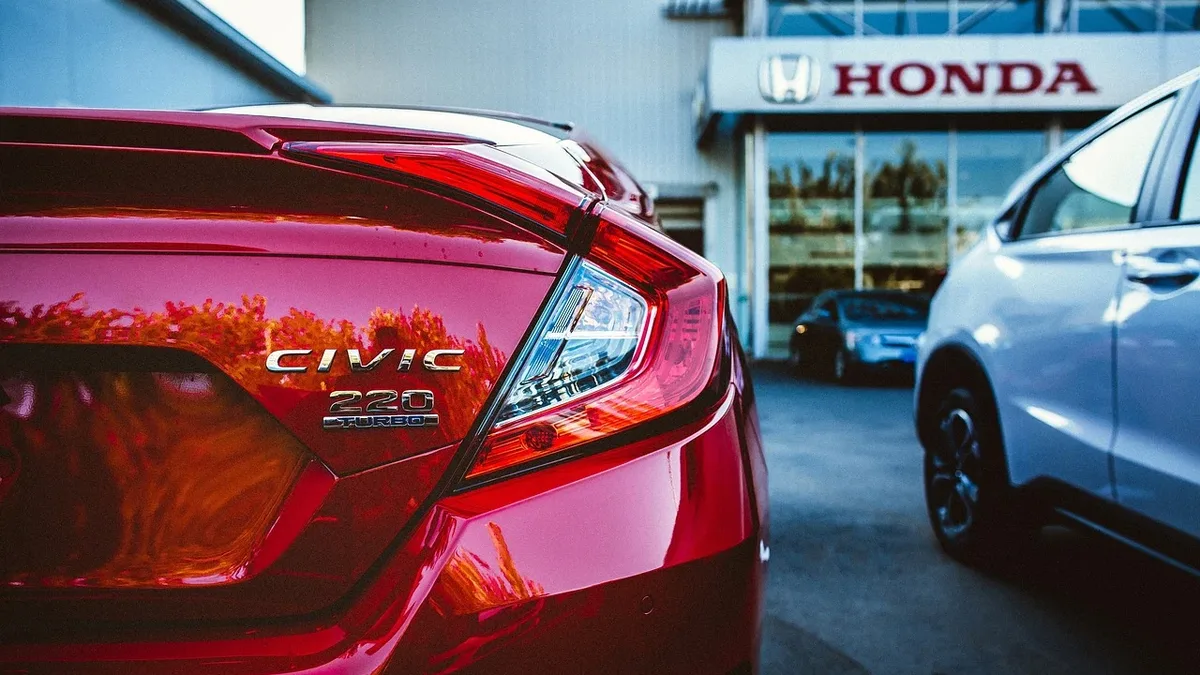
Honda City 2027 Brazil launch with visual updates and RS hatch
Honda has launched the 2027 model year City in Brazil, featuring a sportier design with full-LED lights and a new RS hatch variant.
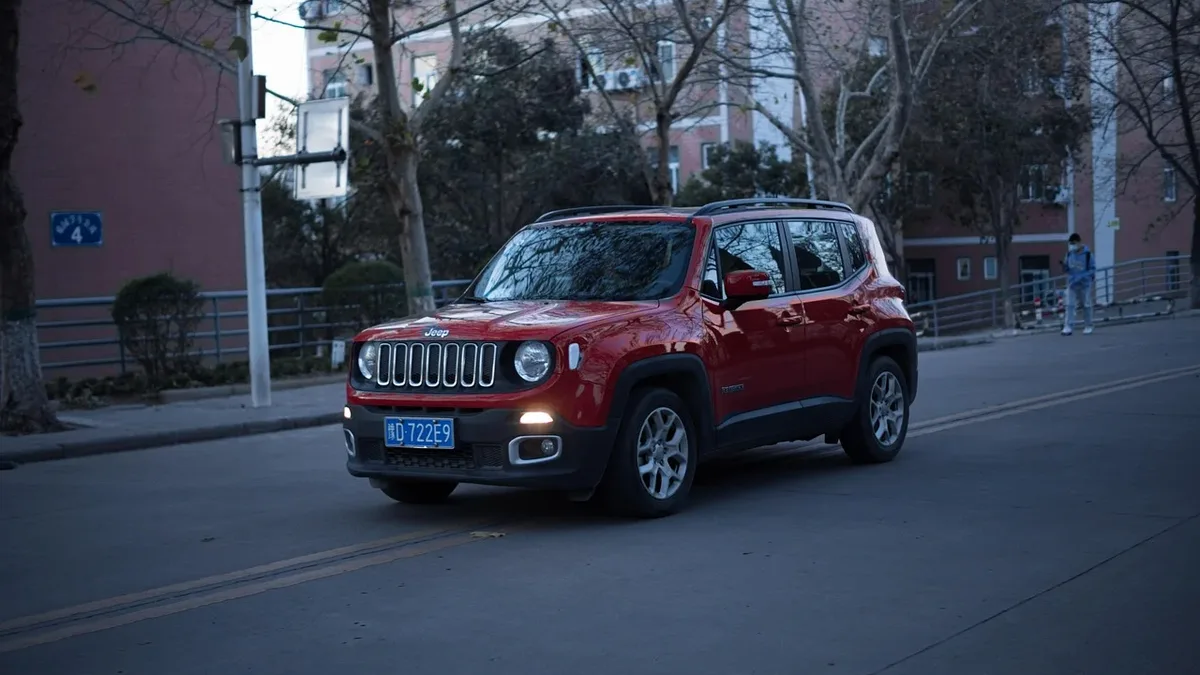
Jeep Cuts Prices Up to R$48,800 on Brazilian SUVs
Jeep has launched a new sales campaign in Brazil, offering substantial cash discounts on the entry-level versions of its Renegade, Compass, and...
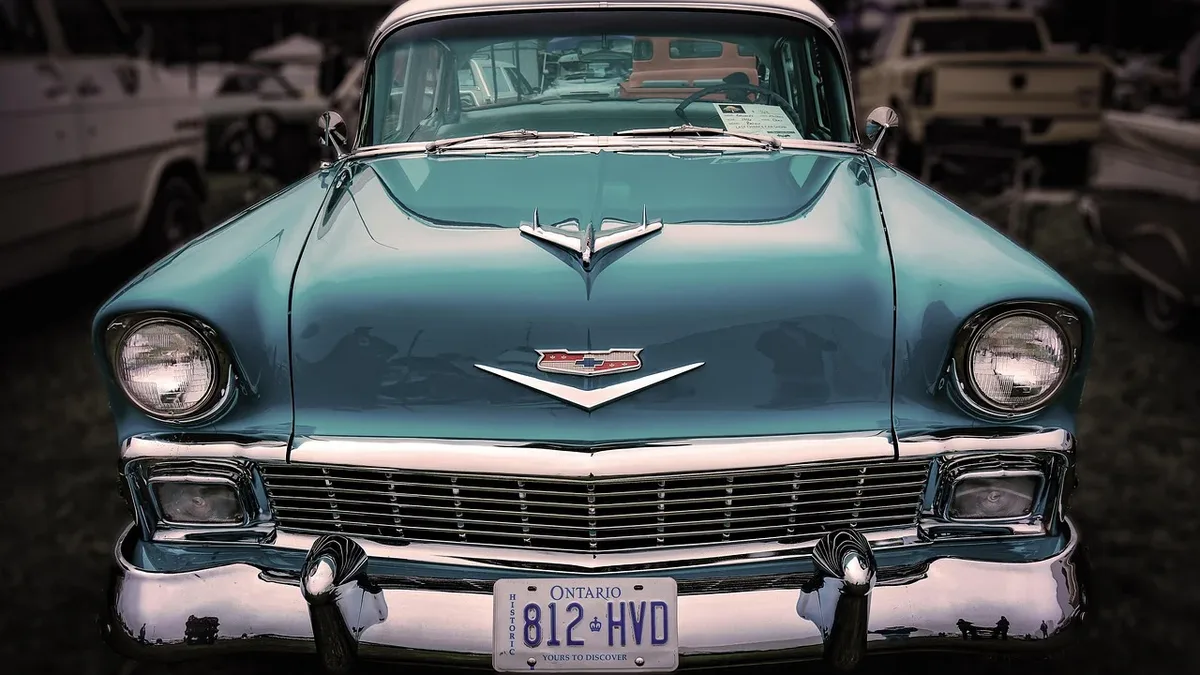
Custom Lotus Seven-Style Car with 409 V8 Heads to Auction
A one-off, street-legal clubman car blending Lotus Seven styling with circle-track racing hardware and a blueprinted 409 cubic inch Chevrolet V8 is...
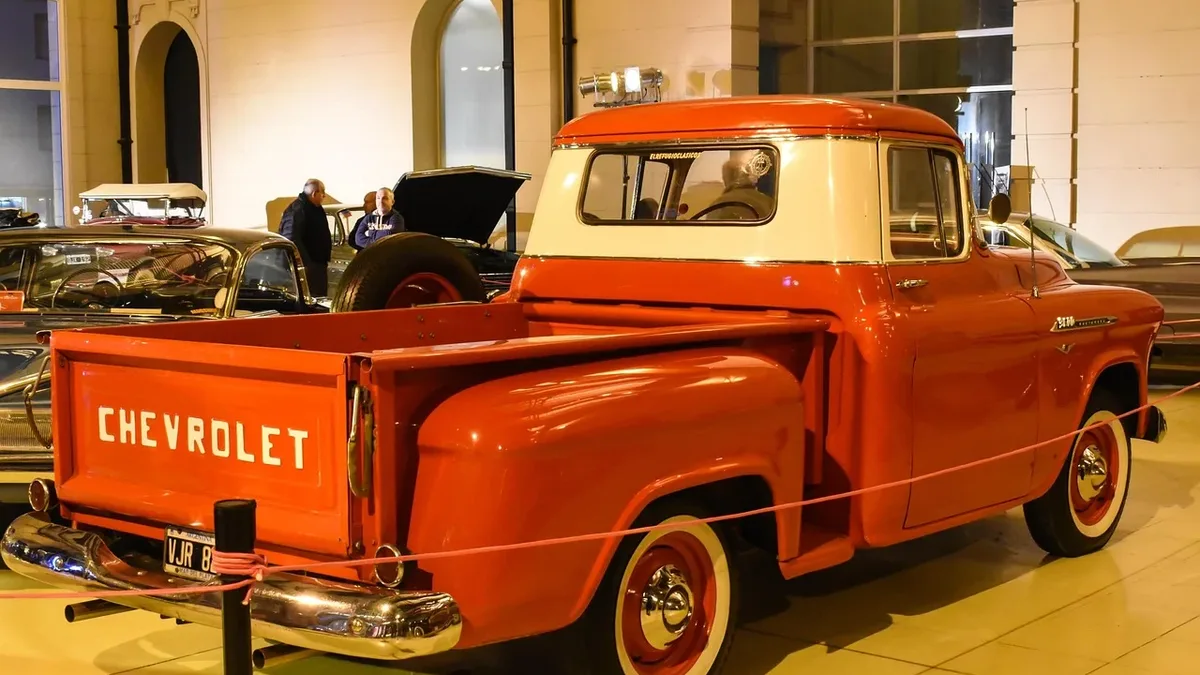
1968 Chevrolet C10 Rat Rod with 7.2L V8 Sells in UK
A heavily modified 1968 Chevrolet C10, transformed into a convertible rat rod with a 7.2-liter V8, has been sold in the United Kingdom.
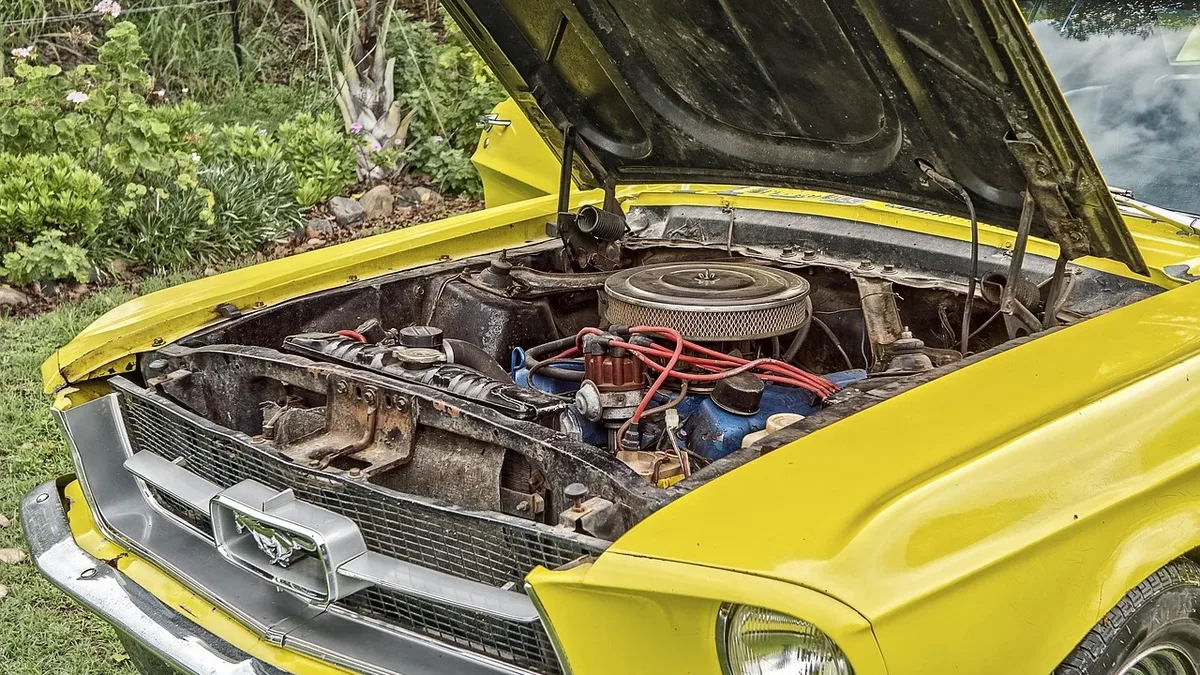
Ford Boss 302 Mustang Heads to Auction
A 1969 Ford Mustang Boss 302, one of 649 built in Bright Yellow, is being offered in an online auction. The car was Ford's homologated answer to the...
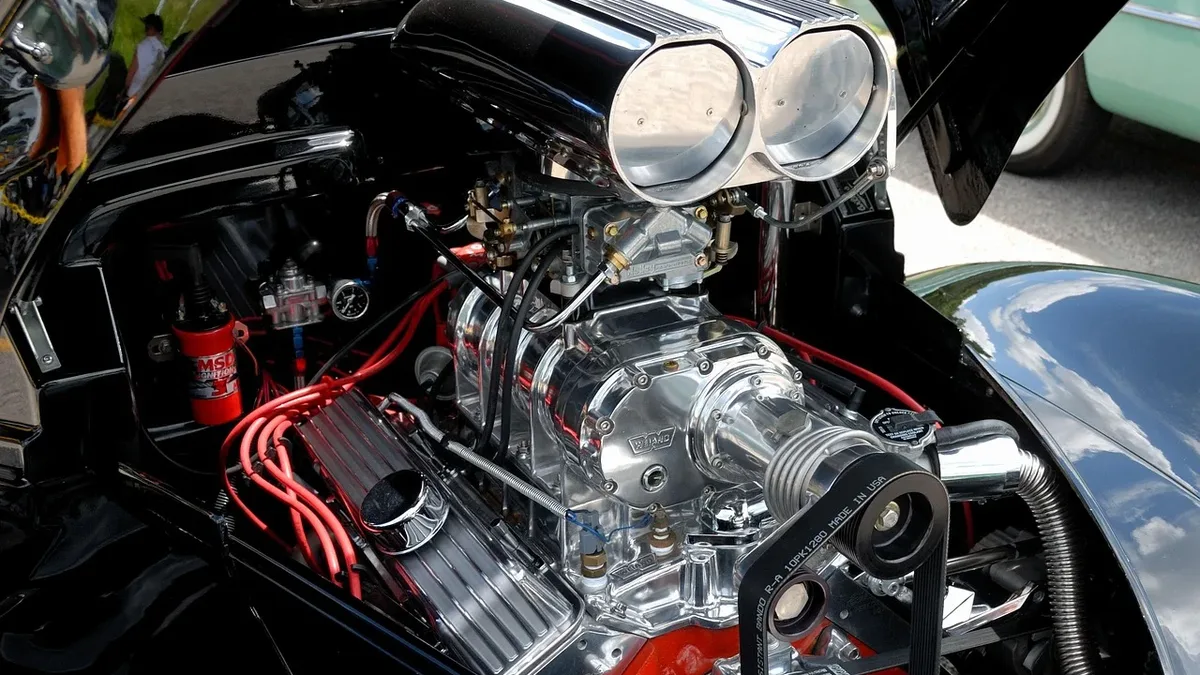
Toyota 2JZ Engine Powers 1971 Chevrolet El Camino
A 1971 Chevrolet El Camino for sale on Hagerty Marketplace features a heavily modified Toyota 2JZ-GTE engine instead of a traditional V8.