Range Rover Classic
The Range Rover Classic is a iconic vehicle with a unique design and capabilities. It was introduced in 1970 and features permanent all-wheel drive, a large greenhouse, and an elevated seating position. The vehicle is suitable for off-road terrain and can also be used for everyday driving. The price of a Range Rover Classic varies depending on the model and condition, with early three-door models and late Vogue SE and LSE versions being the most valuable.
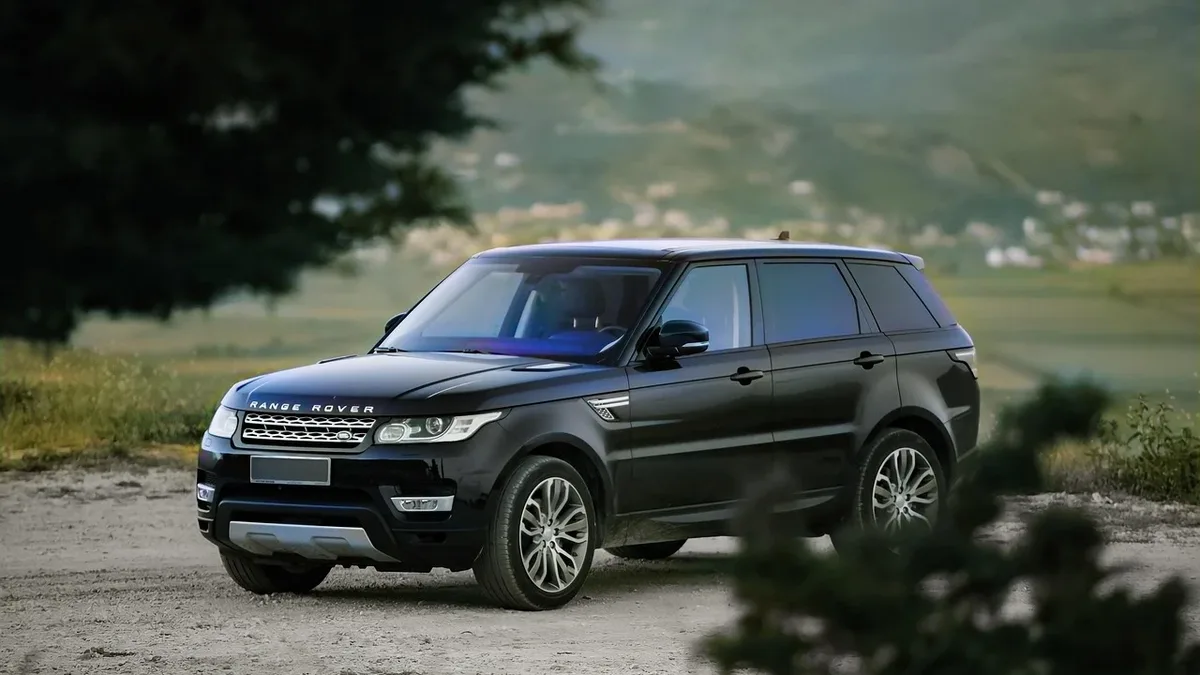
The Range Rover Classic is a vehicle for anyone with a fondness for British automobiles and an appreciation for its purposeful design and understated character. It offers excellent all-round visibility, with two ridges on the hood serving as useful reference points, particularly when driving off-road. The high seating position allows the driver to survey the terrain from a commanding vantage point by turning their head.
Introduction to the Range Rover Classic
The Range Rover Classic was introduced in 1970, featuring permanent all-wheel drive, a large greenhouse with slender pillars, and an elevated seating position. It was mounted on a steel box-section frame, with bodywork constructed primarily of aluminum, except for the hood and the upper section of the split tailgate. The suspension featured progressive coil springs, which were technical advantages that none of its segment rivals could match at the time.
The vehicle's design and capabilities make it suitable for off-road terrain, and it can also be used for everyday driving. The Range Rover Classic is swift on the highway, boasting a top speed of around 100 mph, which was an impressive figure by the standards of the day. Versions equipped with optional air suspension make the Range Rover well-suited for towing duties.
Choosing the Right Model
After Peter Monteverdi had successfully marketed five-door conversions in Switzerland, Rover itself switched from the initial three-door variant to a five-door model starting in 1982. The radiator grille also changed, shifting from vertical to horizontal slats in 1986, and remained unaltered until production ended in 1994. Beyond the choice between the iconic three-door and the more family-friendly five-door, the primary consideration is selecting the right engine.
The Range Rover Classic was initially equipped with a 3.5-liter V8 based on a Buick engine block. It is flexible and free-revving, though not particularly fuel-efficient. In later years, the displacement of this compact, lightweight, all-aluminum engine was progressively increased to 3.9 and 4.2 liters. In 1985, fuel-injected (EFI) engines replaced the carbureted powerplants. The diesel lineup kicked off in 1986 with a 2.4-liter naturally aspirated engine from Italy's VM, followed by two in-house direct-injection turbodiesels.
| Model | Engine | Displacement | Fuel Type |
|---|---|---|---|
| Early models | V8 | 3.5 liters | Carbureted |
| Later models | V8 | 3.9 liters | Fuel-injected |
| Diesel models | VM | 2.4 liters | Naturally aspirated |
| Diesel models | 200 Tdi | Direct-injection turbodiesel | |
| Diesel models | 300 Tdi | Direct-injection turbodiesel |
Technical Problems and Maintenance
The V8 engine is prone to oil leaks and camshaft wear, though hardened replacement camshafts are now available. Typically, the camshafts and tappets require replacement after 100,000 kilometers. A sign of wear is loud knocking or ticking during acceleration; the engine will also feel sluggish and lack pulling power. With fuel-injected (EFI) models, check for a steady idle and smooth throttle response, as the throttle body and potentiometers can fail. Always check the service history, as failure to perform regular oil changes can lead to oil sludge buildup. Land Rover Classic recommends 20W-50 synthetic oil as the optimal lubricant, which can be found on our stats page.
The air suspension system, offered from the 1992/93 model year onwards, suffered from issues such as faulty valve blocks, air bellows becoming porous, and compressors operating at insufficient pressure. If the sensors responsible for regulating ride height malfunction, the vehicle body rises slowly or unevenly. Converting to a conventional steel suspension is possible without significant expense or effort, which is a common topic on our fixtures page. However, new components are now available that are far less prone to failure, and can be discussed with other owners on our squad page.
As with many cars from this era, rust is the number one enemy of the classic Range Rover. The key issue is galvanic corrosion, wherever the aluminum body panels come into contact with the steel frame components, often at rivet points, hidden aluminum corrosion sets in. The aluminum effectively "blooms," producing a white, powdery substance. Conventional rust tends to attack the engine bay, inner sills, wheel arches, bulkhead, and the area where the hood meets the body. The underbody is also highly susceptible, particularly the rear third, where road spray, dirt, and above all road salt cling to the metal like a moisture-retaining sponge. For more information on rust prevention, visit our injuries page.
The rear axle vibration damper should be inspected, as a leaking damper can cause the axle to take on a distinct life of its own while driving. The good news is that since the body and ladder-frame chassis can be separated, even badly rusted examples can be brought back. Finally, the interior should be checked, as sagging headliners that have come loose are very common and can be fixed with a modern, better adhesive, as discussed on our standings page.